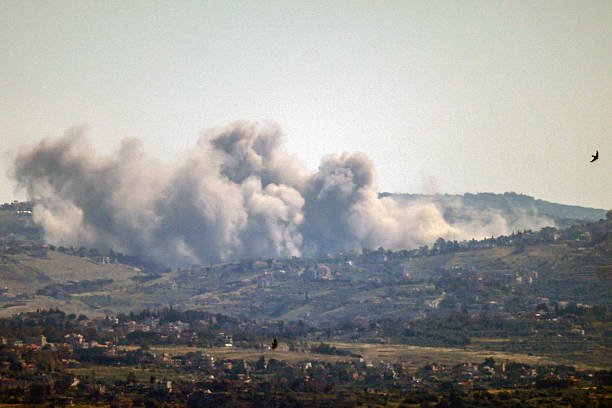

Israeli Prime Minister Benjamin Netanyahu announced on Monday that his country will intensify its attacks against Hezbollah. Shortly after his statement, the Israeli military said it had begun a wave of strikes across Lebanon. Targets included the Bekaa Valley in the east and other parts of the country. Hezbollah responded with 22 drone and rocket attacks, targeting Israeli soldiers, tanks, barracks, and buildings.
Netanyahu’s Message
In a video statement, Netanyahu said Israel is “at war with Hezbollah.” He said the military has been told to “deal them a crushing blow.” He claimed the offensive has already “eliminated over 600 terrorists.” He continued, “But what this requires of us now is to increase the strikes, to increase the intensity.”
Two far-right Israeli ministers have called for an even wider campaign, including strikes on Beirut. Hezbollah said its attacks were in response to what it called Israel’s “violation of the ceasefire.”
The Fragile Ceasefire
Earlier this month, Lebanon and Israel agreed to extend a 45-day ceasefire. But some fighting has continued. Officials from both countries are due to hold further negotiations in Washington next week. Lebanese President Joseph Aoun has demanded a complete Israeli withdrawal from southern Lebanon.
Since the ceasefire was signed on April 16, Israeli attacks have been largely confined to the south. Israeli troops remain there. The Bekaa Valley strikes on Monday marked an expansion of the campaign into eastern Lebanon, near the Syrian border.
Human Toll
Ten Israeli soldiers have been killed since the initial ceasefire was agreed. More than 400 people in Lebanon have been killed by heavy Israeli bombardment during the same period, including many paramedics and emergency workers. Israel has issued near-daily evacuation orders for Lebanese citizens in new areas of the south. More than one million people have already been displaced.
The Broader Conflict
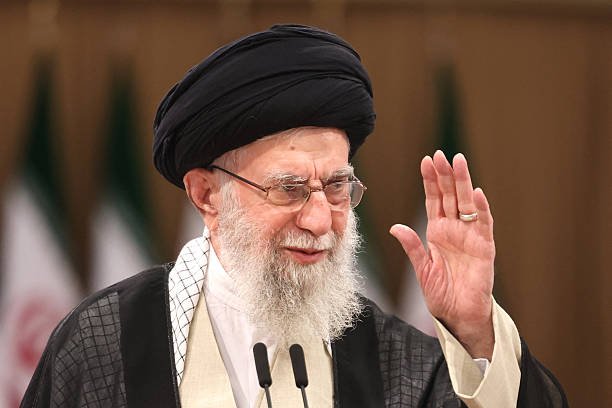
Lebanon was drawn into the current fighting after the US and Israel launched a war against Iran on February 28. Hezbollah, an ally of Iran, fired rockets into Israel in retaliation for an Israeli strike that killed Iranian Supreme Leader Ayatollah Ali Khamenei. Israel responded with an air campaign across Lebanon and a ground invasion. According to the Lebanese Ministry of Health, more than 3,000 people have been killed in Israeli attacks.
Iran’s Stance
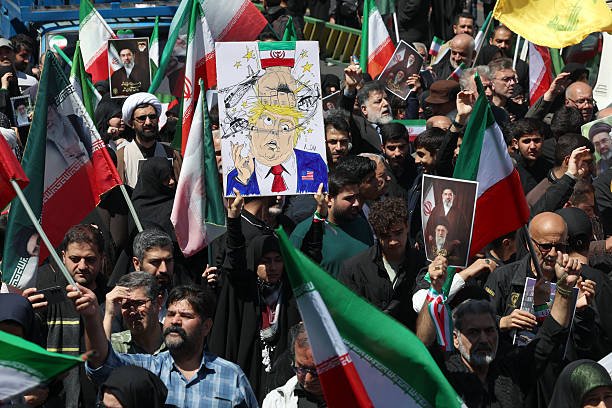
The expansion of Israel’s campaign came as Iran insisted that any emerging peace deal with the US must include a complete ceasefire on all fronts. Israel’s government has opposed ending the fighting against Hezbollah.
What Comes Next
Lebanon’s government has been pursuing attempts to disarm Hezbollah. But officials say a ceasefire is necessary to complete what they describe as a complex task. With strikes intensifying and diplomacy stalled, the path to peace remains unclear.

 By
By