
Our cleaning habits have changed a lot since the Covid-19 pandemic, with many people using more cleaning products than ever before. While keeping our homes germ-free is essential, some household cleaning products come with hidden risks that could affect our health.
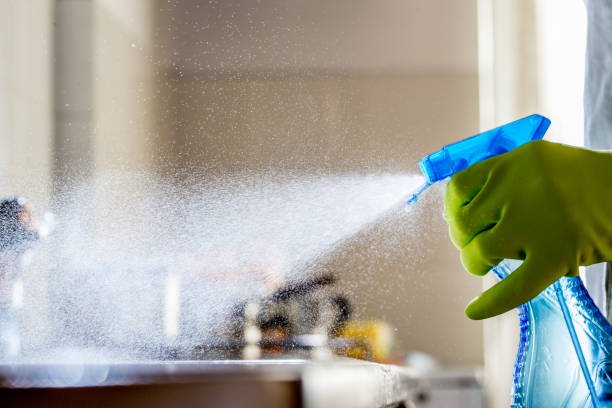
Studies show that frequent use of cleaning products, especially sprays, may lead to respiratory issues like asthma and wheezing. Chemicals in these products, such as chlorine, ammonia, and sodium hydroxide, can release harmful particles into the air, making it easier for us to inhale them. This exposure can irritate our nose, throat, and lungs, causing long-term health problems.
Green or natural cleaning products are becoming more popular, but are they truly safer? Research suggests that while they may be less harmful, they still contain chemical compounds that can react in the air. For example, lemon-scented cleaners release limonene, which can turn into formaldehyde, a known carcinogen. Even homemade cleaners might not always be risk-free, as there is no set formula to ensure their safety.
Another concern is the overuse of antibacterial cleaners, which could contribute to antibiotic resistance. Some studies suggest that using antibacterial products frequently may reduce our immune system’s natural ability to fight bacteria. Additionally, experts believe that the motion of cleaning itself, rather than the antibacterial ingredients, plays a bigger role in removing germs.
So, how can we clean our homes safely? Experts recommend using liquid cleaners instead of sprays, keeping rooms well-ventilated while cleaning, and reducing the use of heavily scented products. It’s also important to clean only as often as necessary to minimize exposure to harmful chemicals.
At the end of the day, cleaning is crucial for maintaining a healthy home. However, being mindful of the products we use and how often we use them can help protect our health in the long run.

 By
By