
Japan is entering a critical stage as dementia cases rise rapidly. In the past year alone, more than 18,000 older people living with dementia went missing after leaving their homes, and nearly 500 were later found dead. Police reports show that such incidents have doubled since 2012.
With people aged 65 and older now making up almost 30% of the population, Japan faces one of the most serious ageing – related crises in the world. A shrinking workforce and strict limits on foreign caregivers are adding further pressure. The Health Ministry predicts that dementia – related care costs could reach 14 trillion yen by 2030, up from nine trillion yen in 2025.
To manage this rising burden, the government is turning to technology as a core part of its stretegy.
Technology for Safety and Tracking
Across Japan, families and authorities are using GPS – based systems to help prevent people with dementia early. One example is aiGait, created by Fujitsu, which uses AI to study posture and walking patterns. Signs such as slow turns, shuffling steps, or difficulty standing can signal early cognitive decline. The system creates visual outlines that doctors can review during check – ups.
Experts say early detection is essential, as timely intervention can help people stay active and independent for longer.
Robots Supporting Daily Care
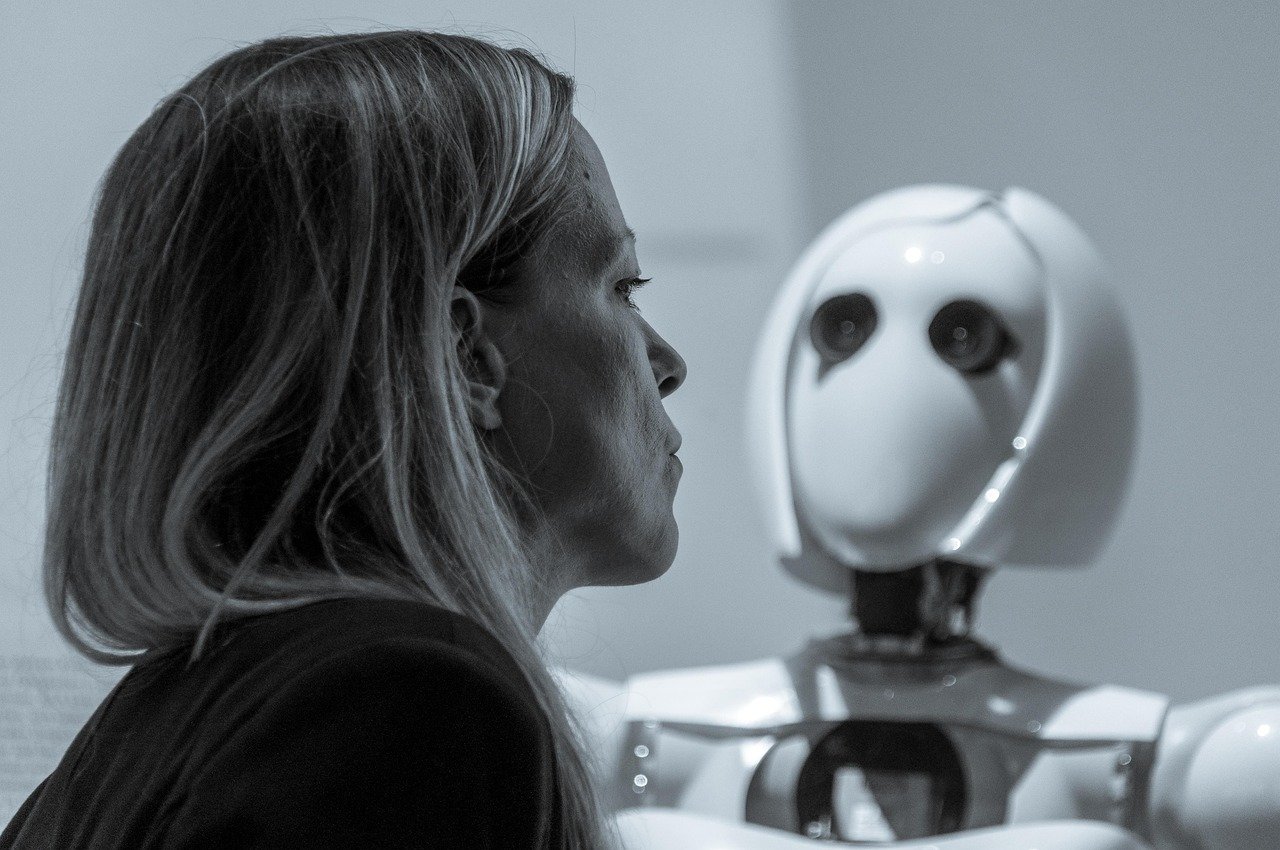
Japan is also exploring robotic caregivers to fill the growing gap in human care. At Waseda University, researchers are building AIREC, a humanoid robot weighing around 150 kilograms. It can help with simple tasks such as folding laundry, scrambling eggs, and putting on socks. The long – term goal is to develop robots capable of more complex care, such as changing adult diapers or preventing bedsores.
Other types of care robots are already in use in care homes. They play music, guide gentle exercises, monitor sleep by sensing movement under mattresses and reduce the need for nighttime rounds by staff.
However, researchers estimate it will take at least five years before advanced humanoid robots can safely interact with people on a daily basis. They require high – level sensing and adaptive behavior to adjust to each person’s needs.
Robots for Emotional Support
Technology is also being used to support emotional well – being. One example is Poketomo, a small 12 – centimeter robot that can be carried in a pocket or bag. It reminds users to take medication, gives real – time weather advice, and offers simple conversations for people living alone. Developers believe this helps reduce loneliness and provides gentle support throughout the day.
Human Connection Still Matters Most
While advanced devices and robots provide valuable assistance, experts continue to emphasize that human interaction remains essential. Technology can support caregivers, but it cannot replace the emotional connection people need.
A café in Tokyo illustrates this balance beautifully. At the Restaurant of Mistaken Orders, people with dementia work as servers. The project was created to help individuals stay engaged and feel a sense of purpose. One of the staff members, Toshio Morita, uses flowers as a reminder system for table orders. Even with cognitive challenges, he enjoys meeting people, and the cafe gives his wife time to rest.
This sense of community highlights why technology must work hand – in – hand with social support. Digital tools can improve safety and lighten workloads, but meaningful engagement is what truly improves life for people living with dementia.


 By
By