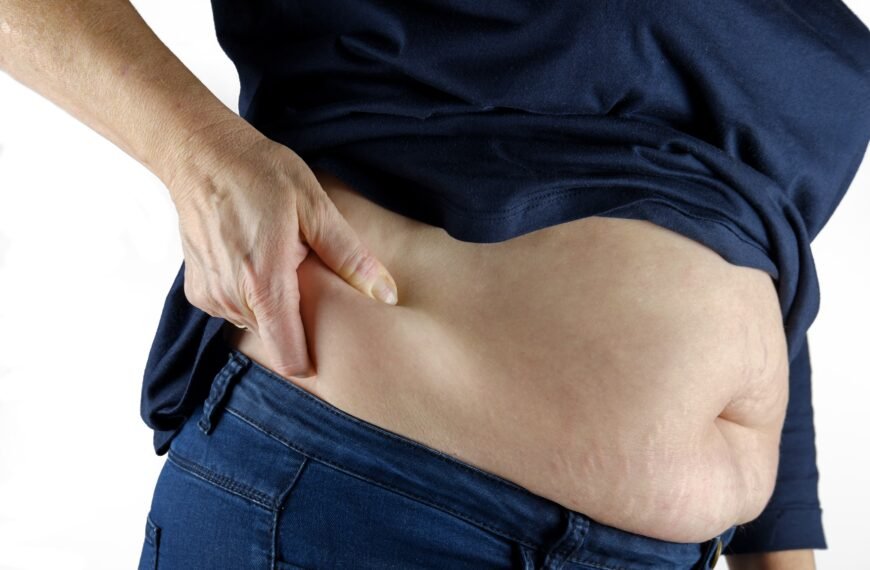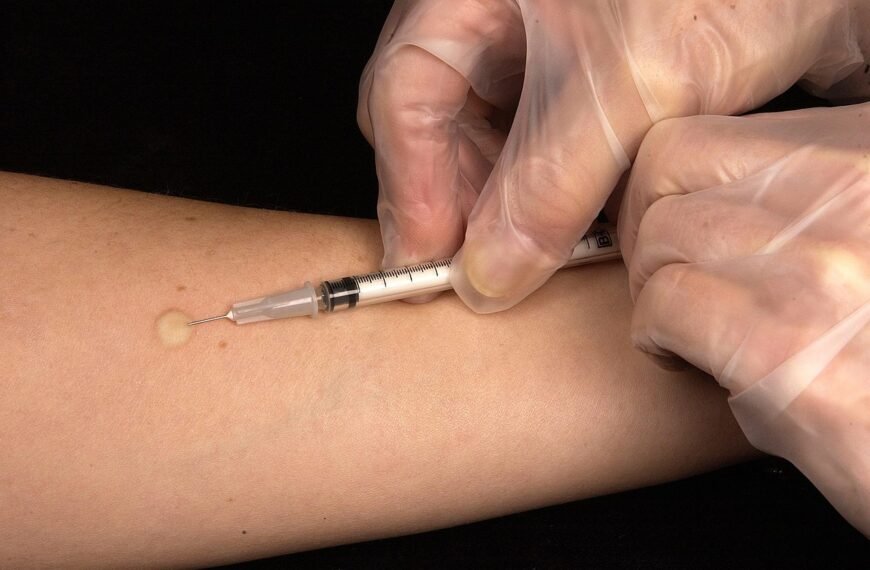


For years, weight management has been reduced to a simple formula: calories in versus calories out. But emerging research reveals a hidden factor that may be sabotaging your metabolism. Everyday plastics contain chemicals that disrupt how your body processes fat and sugar. These compounds, called obesogens, are found in food packaging, water bottles, and personal care products. They do not just sit in your body. They actively change how your hormones work and how your body stores fat.
What Are Obesogens
Obesogens are foreign chemicals that disrupt normal fat metabolism. They alter your body’s hormonal signals, forcing nutrients into fat storage instead of being burned for energy. They mimic or block natural hormones, including estrogen, thyroid hormones, and glucocorticoids. This interference changes your metabolic rate and increases fat accumulation.
How Plastics Trigger Insulin Resistance
The most common source of obesogen exposure is plastic. Bisphenol A and phthalates are two of the most heavily studied obesogens. They are used in polycarbonate plastics, food can linings, and PVC products. When plastic is exposed to heat, acidity, or wear, these compounds leach into food and drinks. Once inside your body, they enter your bloodstream.
Insulin resistance occurs when your cells stop responding to insulin. This is a primary driver of type 2 diabetes and metabolic syndrome. Plastics disrupt this process through two pathways.
First, they damage pancreatic beta-cells. These cells release insulin in response to blood sugar. When BPA enters the system, it binds to hormone receptors on these cells. This forces the pancreas to overproduce insulin. Over time, your cells become desensitized to the constant flood of insulin, leading to insulin resistance.
Second, these chemicals activate a genetic switch that forces stem cells to become fat cells. This expands your body’s capacity to store fat, making it harder to lose weight.
What the Data Shows
A study from the University of Rochester Medical Center found a direct link between high levels of phthalates and increased abdominal obesity and insulin resistance. The data showed that chronic exposure to these chemicals suppresses testosterone in men, shifting their metabolism toward visceral fat storage.
A meta-analysis from Brunel University London examined early-life exposure to BPA. The review found that even low doses of BPA, within or below current safety limits, were linked to higher fat mass, triglycerides, and fatty acids later in life.
Actionable Steps to Reduce Risk
You cannot avoid plastics completely. But you can reduce your exposure significantly.
Do not microwave food in plastic. Heat accelerates chemical leaching. Use glass or ceramic instead. Filter your drinking water with a carbon or reverse osmosis system. This removes microplastics and chemical residues. Prioritize fresh, unpackaged foods. Reduce your intake of ultra-processed foods wrapped in plastic or stored in lined cans.
Obesogens are a hidden factor in the obesity and diabetes epidemic. They are not just passive toxins. They actively change how your body metabolizes food. By understanding the science and taking small steps to reduce exposure, you can protect your metabolic health. Wellness is not just about diet and exercise. It is also about the environment you live in.


 By
By