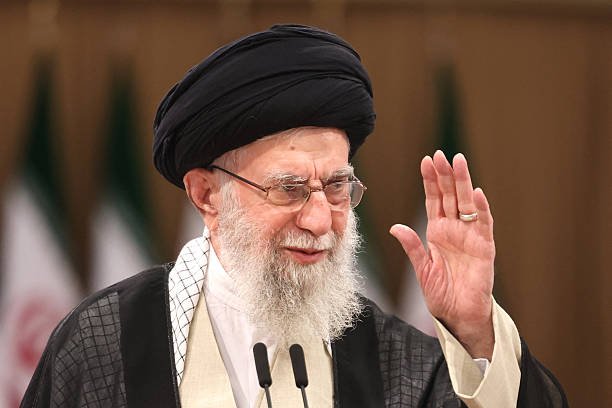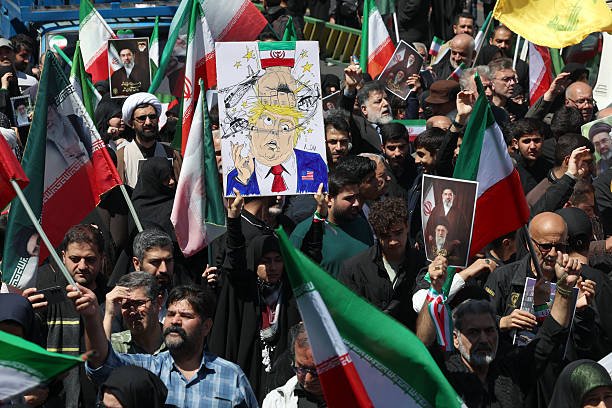
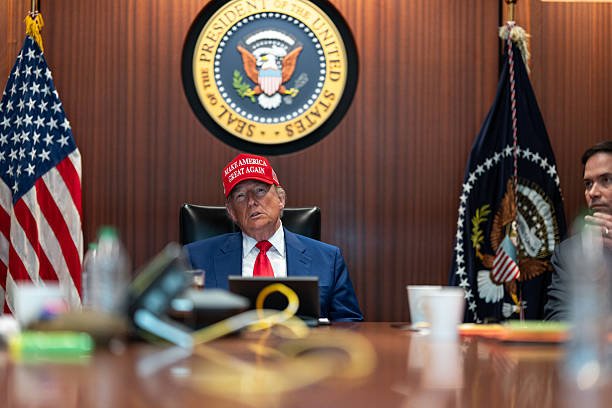

The recent U.S. military strikes on Iranian nuclear facilities have sparked heated debate about presidential war powers. While the Trump administration claims constitutional authority for the action, legal scholars remain divided on whether proper procedures were followed.
The constitutional debate centers on two key provisions. Article I grants Congress sole power to declare war, while Article II makes the president commander-in-chief of the armed forces. Historically, presidents have interpreted this dual authority broadly, with most modern military actions occurring without formal congressional declarations of war. The last official declaration came in 1942 following Pearl Harbor.
Legal experts note that executive branch precedent supports limited presidential military actions, particularly when justified by national security interests like preventing nuclear proliferation. “There’s a long practice of presidents authorizing isolated strikes without congressional approval,” explains constitutional law professor Claire Finkelstein. However, others argue that without an imminent threat, such actions stretch constitutional boundaries.
The 1973 War Powers Resolution adds another layer to the debate. While allowing emergency presidential action, the law requires congressional consultation “in every possible instance” and mandates notification within 48 hours. Reports indicate congressional leaders received only brief advance notice, raising questions about compliance with these requirements.
Historical context shows this isn’t a partisan issue. Recent presidents of both parties – including Obama’s Libya campaign and Biden’s strikes in Yemen – have similarly acted without formal congressional approval. As conservative legal scholar Jonathan Turley notes, “History and precedent favor Trump in this action.”
While the immediate political fallout continues, the deeper constitutional questions remain unresolved. The episode highlights America’s enduring tension between executive action and legislative oversight in matters of national security – a balance the founders deliberately created but never fully defined. As these debates persist, they underscore the need for clearer modern guidelines governing military engagements in an increasingly complex global landscape.

 By
By