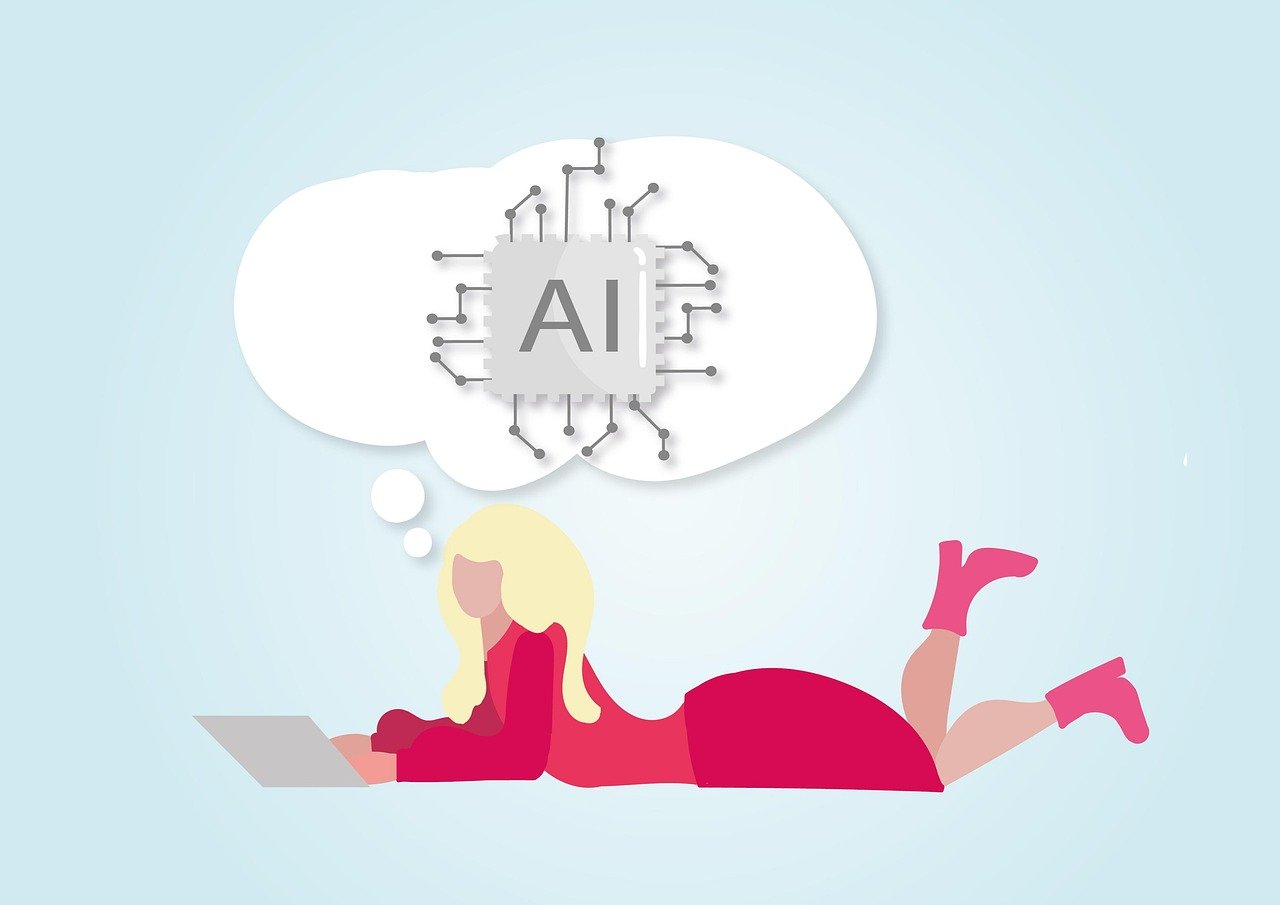

A recent study from the Massachusetts Institute of Technology (MIT) suggests that relying too much on AI tools like ChatGPT might be affecting how our brains work — especially for younger users. While AI helps users finish tasks faster, it may also be reducing mental effort and long-term thinking ability.
The study involved 54 participants between the ages of 18 and 39. Over four months, researchers tracked brain activity using EEG scans, observing alpha and beta waves and how different parts of the brain worked together. The results showed that people who used ChatGPT had the lowest brain engagement and often performed worse on memory and language tasks.
Researchers found that ChatGPT reduced “germane cognitive load” — the brainpower we use to turn information into knowledge — by 32%. While this means people can complete tasks 60% faster with AI, it also shows a drop in how deeply they engage with information. According to the study, over 80% of AI users couldn’t remember what they had written just minutes before. Their essays, although grammatically perfect, lacked original thought and emotional depth. Teachers reviewing these essays described them as “soulless” and “empty.”
The study hasn’t been peer-reviewed yet and had a small sample size, but the lead researcher, Nataliya Kosmyna, decided to share the findings early to raise awareness. She worries that early exposure to AI, especially in developing minds, could have long-term effects on brain development.
People with stronger cognitive skills who avoided regular AI use showed better neural connectivity, suggesting that relying less on AI might help maintain stronger mental performance over time.
AI expert Alex Vacca shared the study on social media, warning that using AI as a shortcut may lead to long-term loss in thinking ability. He stated, “Every shortcut you take with AI creates interest payments in lost thinking ability.”
While AI tools can be helpful, this study is a reminder to use them wisely — not as a replacement for thinking, but as a support tool to enhance learning and creativity.


 By
By