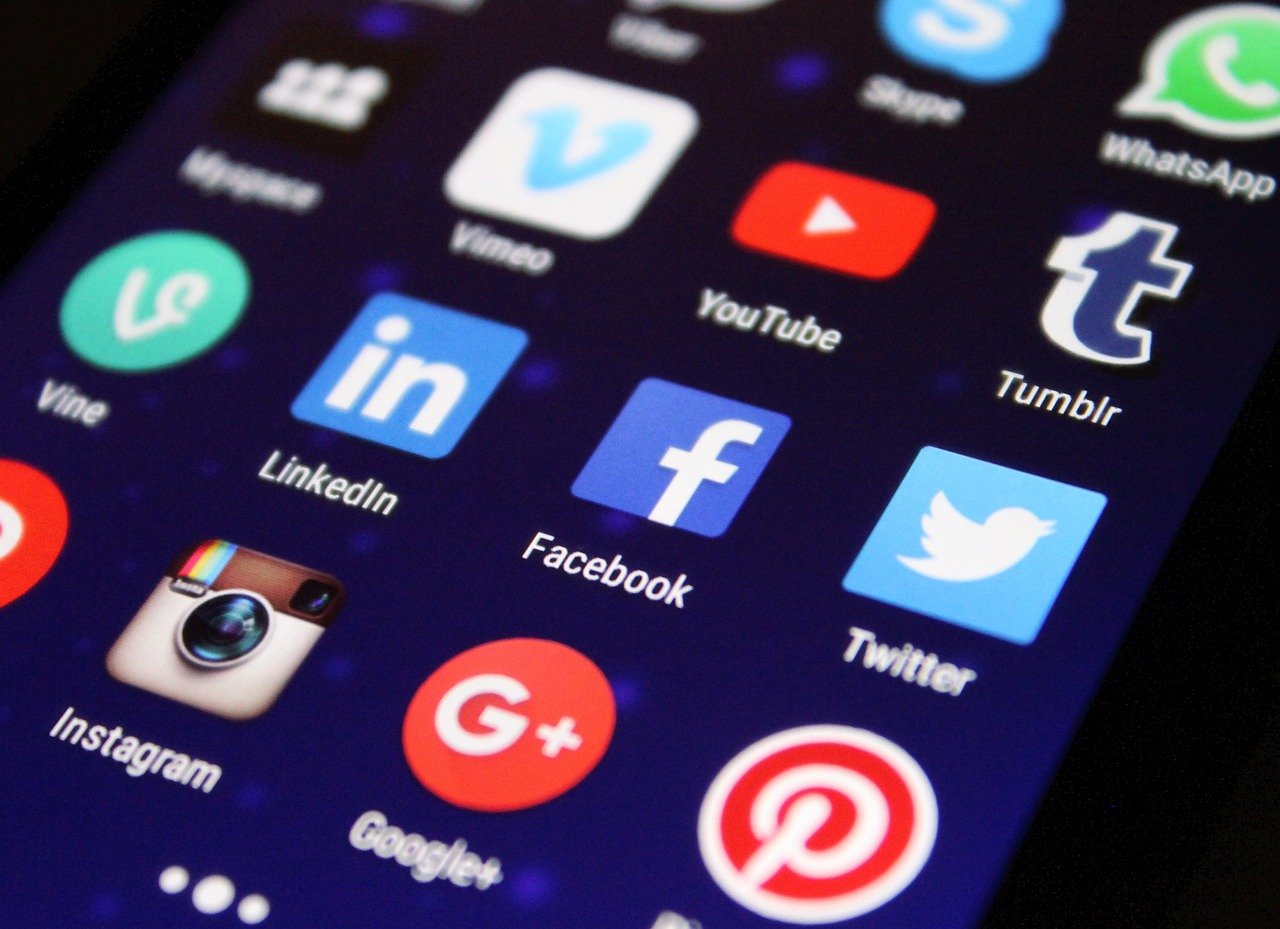

Nepal’s recent crackdown on social media platforms sparked deadly protests, leaving at least 19 people killed. The government blocked access to Facebook, X, and YouTube after the companies refused to register under local laws. Though the ban was lifted a day later, the move highlighted a growing global trend – governments tightening control over online spaces in the name of regulation, but often at the cost of free expression.
A Wider Pattern Across Countries
Experts point out that Nepal’s restrictions follow a common playbook already used by countries like India, Pakistan, and Bangladesh. Governments often demand tech companies set up local offices, appoint liaisons, and comply with strict monitoring rules. While officials claim these laws are meant to regulate online platforms and tackle issues like misinformation or child safety, critics argue they are also tools for censorship and silencing dissent.
Disproportionate Impact On Citizens
According to Freedom House, a Washinton-based nonprofit, blocking entire platforms harms millions of people who rely on them for communication, education, health information, and business. While regulations may have valid goals, blanket bans cut citizens off from vital digital tools. In Nepal, this sudden block disrupted daily life and fueled frustration, showing how such measures often cause more harm than good.
Global Decline Of Internet Freedom
Freedom House reports that internet freedom has fallen for 14 consecutive years worldwide. China remains the most restrictive environment, with Myanmar recently joining at the same level. India passed a telecom law in 2023 giving its government broad powers to control online communication, while Pakistan recently approved a bill allowing prison sentences for spreading disinformation. These examples show how online freedoms are shrinking even in democratic countries.
Why Online Freedom Matters
Internet access has become a pillar of modern democracy, giving people a space to share opinions, access information, and hold leaders accountable. Restricting these freedoms weakens democratic values. Often, governments justify online blocks in the name of cybersecurity, crime prevention, or protecting children, but many regulations also limit anonymity and free speech.
VPNs And The Pushback
In response to Nepal’s social media ban, VPN use surged dramatically. Proton, a company providing encrypted services, reported an 8,000% increase in sign-ups in Nepal after the crackdown. VPNs allow people to bypass restrictions, but they are not a perfect solution. They can be costly, slow, and inaccessible for many.
Role Of Tech Companies
Experts emphasize that platforms like Google, Meta, and X need to take stronger steps to protect user privacy, especially for activists and human rights defenders at risk of government surveillance. Companies have the power — and responsibility — to safeguard digital freedom while balancing regulations.
Nepal’s internet ban is not an isolated incident but part of a global trend toward restricting online spaces. As governments seek control over digital narratives, the right to free expression faces increasing challenges. For democracies to remain strong, online freedom must be protected, not suppressed.

 By
By