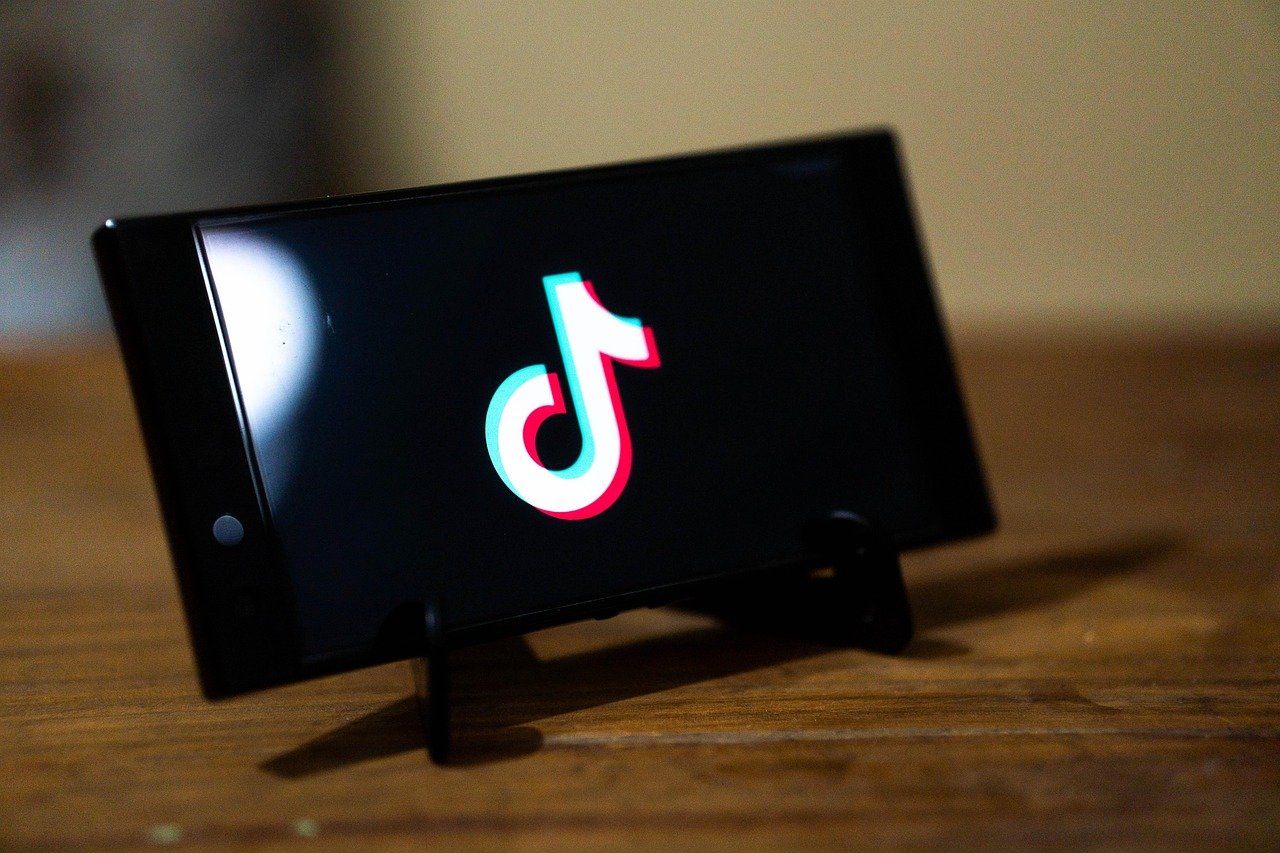

The proposed TikTok agreement represents far more than a simple corporate sale. It is a complex geopolitical arrangement where China appears to have secured a strategically advantageous position. While the U.S. gains a semblance of control, the heart of the app – its prized algorithm – remains firmly under Chinese protection.
The Illusion of a Sale
At first glance, the deal seems to satisfy U.S. demands. TikTok’s U.S. operations would be spun off to a consortium of American companies, including Oracle, ostensibly placing American user data and operations on domestic soil. This move is designed to alleviate longstanding national security concerns about user data and foreign influence.
However, the core asset that makes TikTok a global phenomenon is not for sale. The algorithm – the sophisticated “secret sauce” that curates user feeds and drives unprecedented engagement – will not be transferred. Instead, ByteDance, TikTok’s Beijing-based parent company, will merely license it to the new U.S. entity. This is a critical distinction. It means the most valuable intellectual property stays in China, and ByteDance retains its competitive edge.
What China Gains: A Strategic “Win-Win”
For China, this arrangement is being touted as a “win-win”, and good for reason. It successfully navigates a major geopolitical hurdle without conceding its technological crown jewels.
- Market Access and Revenue: The deal allows TikTok to continue operating in its most lucrative market, avoiding a complete ban. The United States contributes a massive portion of ByteDance’s global revenue, and maintaining this income stream is a huge victory.
- Protected Technology: By licensing instead of selling the algorithm, China safeguards its most advanced technology. This ensures that U.S. competitors cannot reverse-engineer or replicate its core functionality, preserving ByteDance’s (and by extension, China’s) technological lead in social media.
- The “TikTok Template”: This agreement sets a powerful precedent. It creates a blueprint for other Chinese tech giants with ambitions in the U.S. market. Companies in critical sectors like electric vehicles (BYD) or battery technology (CATL) could potentially use similar licensing models to deploy their technology abroad while keeping IP at home.
- Geopolitical Leverage: China can frame this as a demonstration of its strength—exporting its technology on its own terms. This success provides significant leverage in future trade and technology negotiations with Washington, showcasing its ability to protect its interests while engaging with the West.
The American Compromise
For the U.S., the outcome is more nuanced. While it achieves the goal of putting a U.S. based entity in charge of operations, it does not achieve a full, clean separation from “foreign adversary control” as mandated by law. The new U.S. TikTok will operate on borrowed code, creating a permanent dependency on ByteDance for updates and improvements.
User experience might subtly change. Experts suggest the American version could run on a “stripped-down” or “lighter” iteration of the software, potentially resulting in slower performance or less diverse content curation compared to the global version.
The Cloud of Uncertainty
Ultimately, the deal rests on a fragile foundation of political trust that history suggests is volatile. The arrangement is complex and will require approval from various boards, governments, and lawmakers, a process that could take months or even years.
While it may function on paper, its long-term stability is uncertain. The U.S. version of TikTok will always exist under a cloud – a product of borrowed code – firewalled data, and a political understanding that could shift overnight with a change in administration or policy. China, in this high – stakes game, has successfully bought time, leverage, and continued access, all while protecting its most valuable digital assets.

 By
By