

Recent developments in North America hint at a possible retreat by the US on its controversial tariff policies. This shift comes amid rising global concerns about economic stability and the repercussions of trade wars. As I traveled from Arizona to Washington, D.C., and then to Saskatchewan, the effects of this uncertainty became evident.
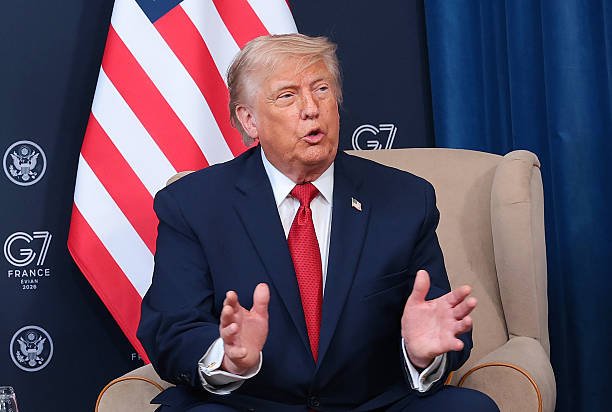
In Washington, the White House and the International Monetary Fund (IMF) represent two contrasting worlds. Recently, President Trump introduced “reciprocal tariffs,” which sparked immediate backlash. At the IMF meetings, global finance ministers expressed their frustration and concern over the US’s actions, fearing a return to economic crisis after years of recovery following the pandemic and geopolitical tensions.
The reactions from East Asian countries were particularly strong. Japan’s finance minister conveyed disappointment in the US approach, highlighting the detrimental effects on global growth and market stability.
In response to the turmoil, US Treasury Secretary Scott Bessent has taken a more conciliatory stance, indicating a willingness to negotiate and potentially roll back some tariffs. However, a highly anticipated meeting between Bessent and his Chinese counterpart did not occur, leaving many uncertain about the future.
The decline in shipping traffic from China to the US is another critical sign to watch. According to the IMF, fewer ships are leaving Chinese ports, which could signal deeper economic issues.
Amid these tensions, a sense of calm emerged during the IMF meetings, largely due to Bessent’s influence in managing the tariff agenda. Yet, the internal dynamics of the Trump administration continue to complicate matters, with conflicting advice leading to confusion about the US’s trade strategy.
As uncertainty looms, some analysts speculate about the potential misuse of the US dollar’s “swap lines” as diplomatic leverage, raising fears about the global financial system’s stability. Additionally, countries with trade surpluses might reconsider their holdings of US government debt, which could further impact relations.
For the UK, the stakes are high. The proposed tariffs threaten major exports like cars and pharmaceuticals, and the UK is now focusing more on its trading relationship with Europe.
Looking ahead, the upcoming Canadian elections and the G7 Summit could play pivotal roles in shaping the future of international trade relations. As discussions evolve, the possibility of trade peace remains, but the risk of further escalation is real.

 By
By