
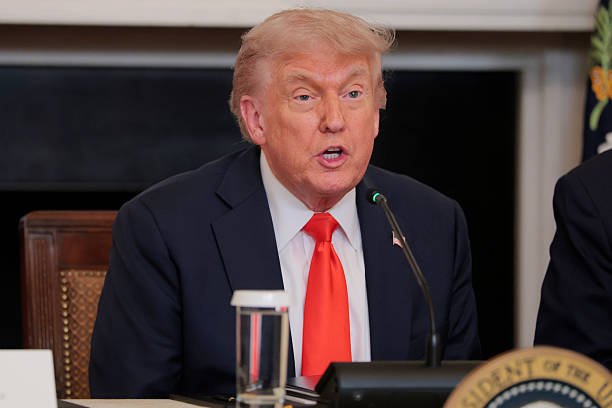

In a major shift, former President Donald Trump signed an executive order that cancels or revises several key cybersecurity policies introduced by Joe Biden and Barack Obama. The Trump administration claims Biden’s latest executive order, passed just days before leaving office, introduced “problematic and distracting” ideas into national cybersecurity planning.
One of the big changes involves digital identity documents. Biden’s rule encouraged government agencies to accept digital ID for public services. However, Trump reversed that, claiming it could allow illegal immigrants to access public benefits improperly. Cyber experts have criticized this, saying it prioritizes immigration politics over real cybersecurity progress.
Another rollback targets artificial intelligence. Biden’s rules focused on using AI to protect key infrastructure, funding AI cybersecurity research, and encouraging the Department of Defense to adopt AI models. Trump’s order removes these measures, saying the strategy should focus more on spotting system weaknesses instead of controlling information, a common complaint from tech voices in Silicon Valley.
The order also affects quantum-resistant encryption. Biden wanted agencies to adopt this next-gen encryption technology soon, but Trump pulled back, calling the requirement unproven and overly complex for federal contractors. Now, software vendors won’t need to verify their security efforts through what the administration calls “burdensome checklists.”
Trump’s actions also rolled back Obama-era policies allowing sanctions on cyber attackers. These sanctions will now apply only to foreign threats. The administration says this change avoids misuse against domestic political rivals and makes the rules clearer for election-related issues.
The new cybersecurity approach aims to reduce red tape and focus on known threats, but critics argue it removes proactive measures that could make systems more secure in the long run. As cyber threats evolve, many experts believe building strong foundations like secure digital IDs, AI protection, and advanced encryption are vital for national security.

 By
By