
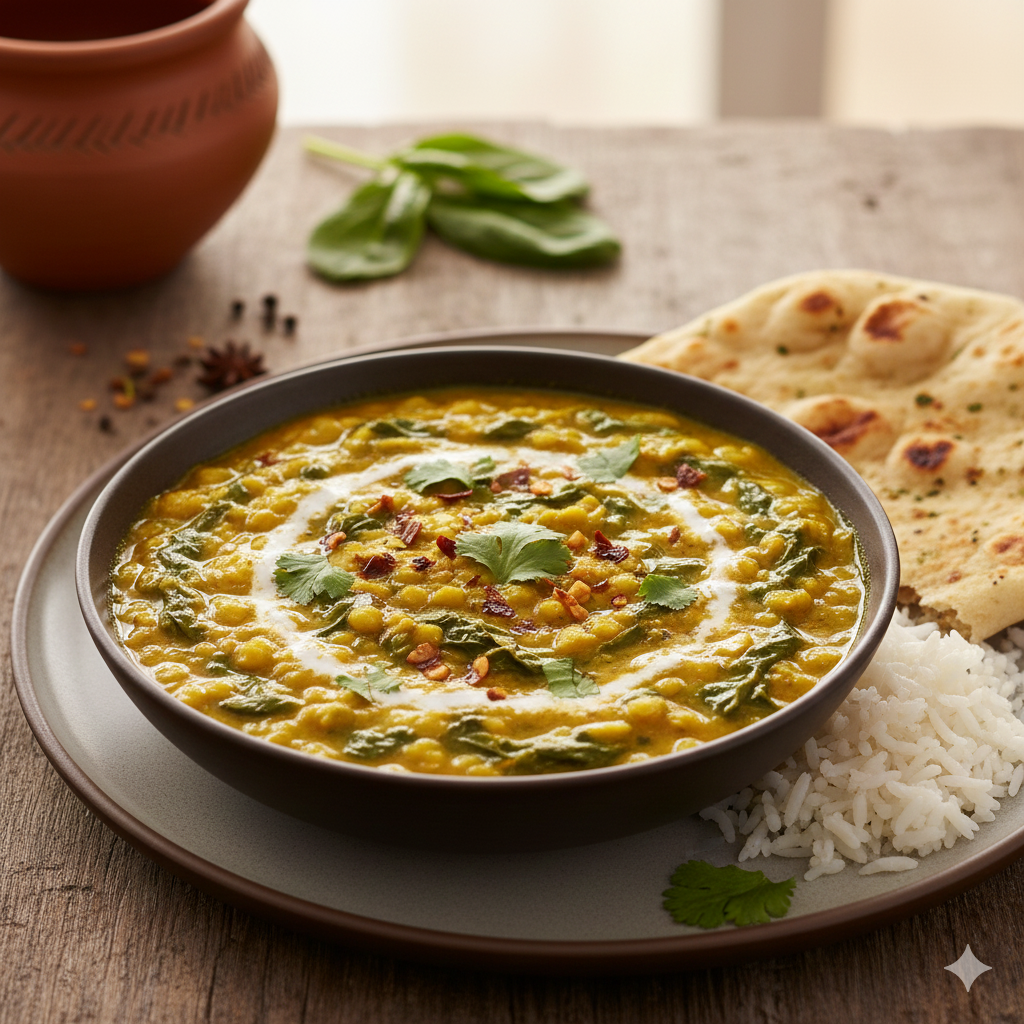

As the temperature drops, our cravings for warm, comforting meals rise. While we often seek out complex recipes, the humble dhal is a perfect canvas for creating a nourishing and warming winter dish. This everyday staple can be easily transformed into a hearty, nutrient-packed meal that not only satisfies hunger but also helps keep you warm from the inside out. With a few smart additions, you can elevate your dhal into the ultimate winter comfort food.
1. Boost Nutrition with Winter Vegetables
Incorporate seasonal vegetables to add depth, fiber, and essential vitamins to your dhal. Vegetables like carrots, spinach, and green peas blend seamlessly, adding a natural sweetness and earthiness. Lightly sautéing them before adding to the dhal helps retain their texture and enhances their flavor. This simple step increases the fiber and antioxidant content, making your meal more filling and nutritious for the cold season.
2. Infuse Flavor with Warming Spices
The secret to a truly warming dhal lies in its tempering. Use spices known for their thermogenic properties. Fresh ginger, garlic, black pepper, and asafoetida (hing) tempered in ghee or oil create an aromatic base that elevates the dish. These spices not only add a rich, complex flavor but are also known to aid digestion and generate internal body heat, making your dhal a soothing remedy for chilly days.
3. Enhance Fullness with Whole Grains
Make your dhal more substantial by cooking it with whole grains. Adding a handful of millets like pearl millet or sorghum, or even cracked wheat, introduces slow – digesting carbohydrates. This provides sustained energy, keeping you full and energized for longer. The grains also contribute a pleasant, nutty flavor and create a thicker, stew – like consistency that is ideal for winter.
4. Create Depth with a Rich Cooking Liquid
For a deeper, more robust flavor, avoid using plain water. Instead, cook your dhal in a homemade vegetable stock. The stock imparts a rich, savory base that enhances the dhal’s flavor without the need for excess salt or fat. This simple swap increases the mineral content and creates a soup-like quality, making the dhal exceptionally comforting and immune – boosting.
5. Improve Protein by Mixing Different Lentils
Move beyond using a single type of lentil. Combine two or three different dals, such as red lentils (masoor), split pigeon peas (toor), and split black gram (urad). Each lentil contributes a unique texture and flavor, resulting in a more complex and satisfying dish. This blend also improves the protein quality and makes a dhal naturally thicker and heartier, perfect for a warming winter meal.
6. Finish with Healthy Fats and Freshness
The final touch is crucial. Stir in a spoonful of ghee at the end of cooking. This not only enriches the flavor but also helps your body absorb fat-soluble vitamins from the meal. For an extra nutritional boost, consider adding a sprinkle of roasted flaxseed powder for omega-3s or a fresh squeeze of lemon juice to aid iron absorption. These additions enhance the dish’s health profile without compromising its comforting essence.
Smart Tips for Storing and Reheating
To enjoy your dhal over multiple days, let it cool completely before transferring it to a clean, airtight glass container in the refrigerator. When reheating, use a stovetop on a low flame, adding a splash of water to adjust consistency. A quick fresh tempering with cumin or garlic after reheating will revive its aroma perfectly.
By embracing these simple strategies, you can easily transform your daily dhal into a powerful, warming, and nutritious meal that celebrates the best of winter comfort food.

 By
By