

Your gut health plays a major role in how your body digests food, absorbs nutrients, and maintains a strong immune system. Certain foods, when eaten together, can work better for your digestion than when consumed separately. This is because the right food pairings can improve how your body breaks down meals, feed the good bacteria in your gut, and reduce issues like bloating or inflammation. The digestive system functions best when it receives a mix of fiber, probiotics, enzymes, and anti-inflammatory nutrients, all of which are found in powerful food combinations.
One of the most popular gut-friendly pairs is yogurt with bananas. Yogurt provides probiotics, which are good bacteria that help balance the gut. Bananas, especially slightly unripe ones, contain prebiotic fibre that feeds those good bacteria. Together, they support a healthy gut environment.
Turmeric and black pepper make another effective duo. Turmeric contains curcumin, known for its anti- inflammatory properties, but it needs help to be absorbed. Black pepper contains piperine, which boosts the absorption of curcumin and supports gut healing and digestion.
A simple morning drink like apple cider vinegar with warm water can kick-start digestion. Apple cider vinegar increases stomach acid, helping break down food and absorb nutrients better. It’s a natural way to reduce bloating and keep your gut environment balanced.
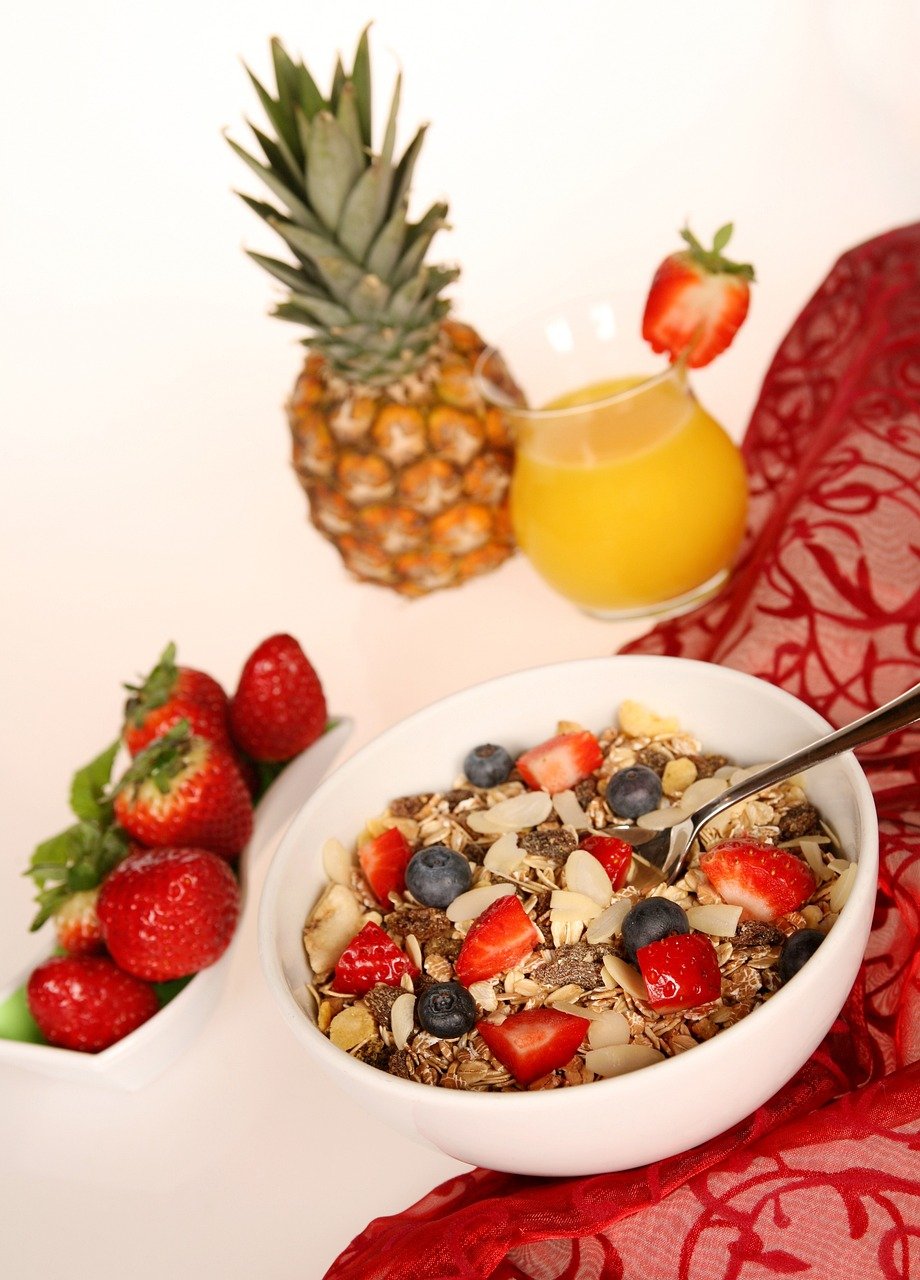
Pairing oats with berries is a smart move for your digestive system. Oats offer soluble fibre like beta-glucan, while berries provide antioxidants and polyphenols. This combination supports gut bacteria growth and protects the digestive tract from stress.
Kimchi and brown rice work well together too. Kimchi is full of probiotics from fermentation, while brown rice contains resistant starch, a type of prebiotic fibre. When eaten together, they nourish your gut bacteria and improve overall digestion.
Leafy greens like spinach and kale, combined with olive oil, help regulate your digestion. Greens are high in fibre and magnesium, and olive oil aids in absorbing fat-soluble vitamins. This pairing helps keep bowel movements regular and soothes the gut.
Ginger with lemon water is another effective combination. Ginger stimulates digestive enzymes and reduces inflammation, while lemon improves bile production. Drinking this mix helps ease bloating and supports a healthy digestive process.
Chia seeds soaked in almond milk offer both fibre and hydration. Chia’s gel-like texture, when soaked, is easier to digest and helps improve bowel regularity. It also delivers omega-3s and supports inflammation control.
Papaya and pineapple are two fruits rich in natural enzymes—papain and bromelain—that help digest proteins and ease digestion. Eating them together can reduce bloating and make meals easier to digest.
Lastly, cooking lentils with cumin is a great way to enjoy their benefits without discomfort. Lentils are rich in fibre but can sometimes cause gas. Cumin has properties that reduce gas and improve digestion, making the meal gentler on your gut.
These food combinations work naturally to improve your gut health. They reduce inflammation, support digestion, encourage regular bowel movements, and help your body absorb nutrients better. Including them in your meals can lead to a stronger digestive system and better overall wellness.


 By
By