
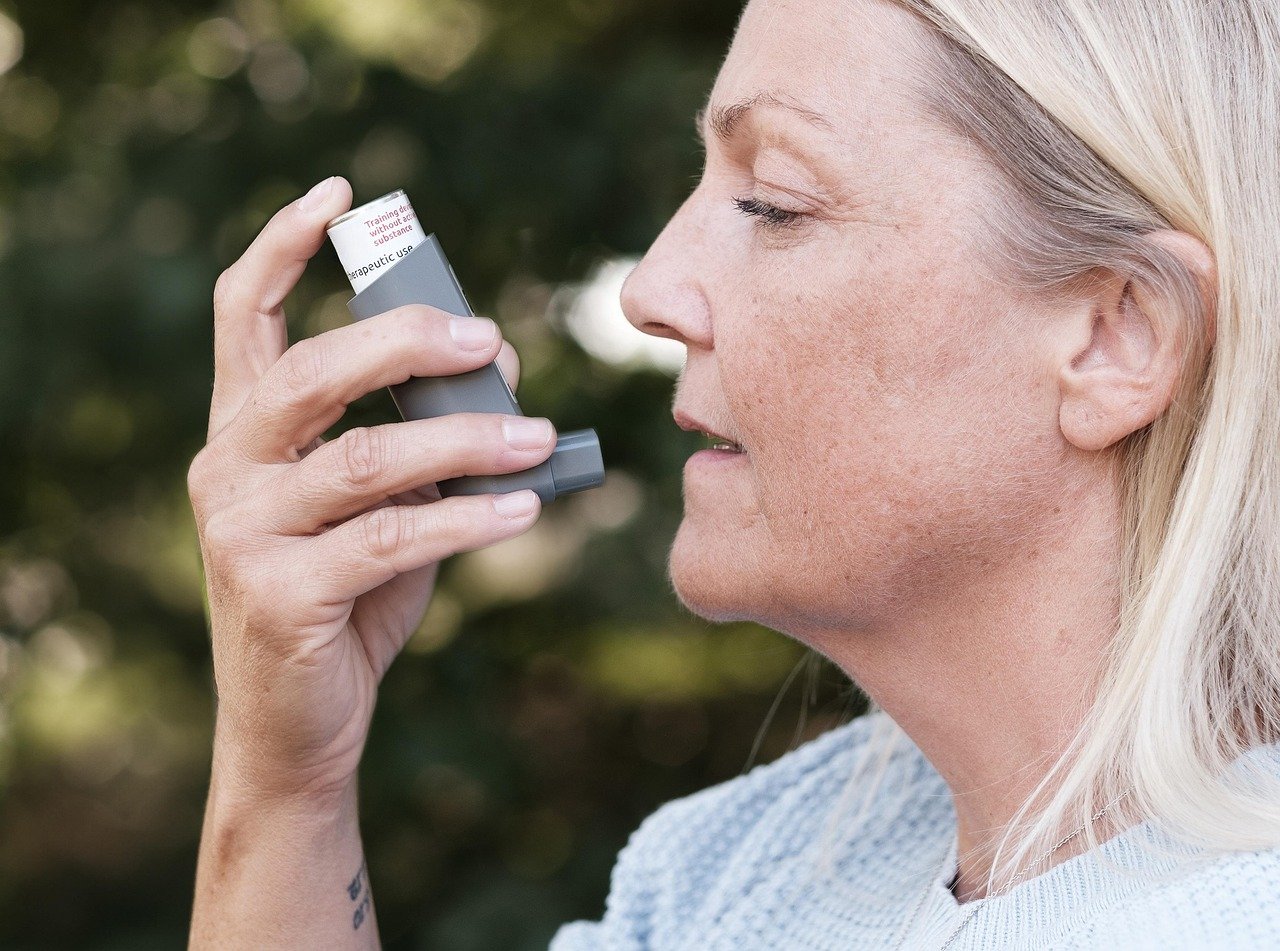

As we observe World Asthma Day 2025, it’s important to explore all available tools for managing this chronic respiratory conditions. While medications remain crucial, breathing exercises are emerging as a powerful complementary approach that can help asthma sufferers gain better control over their symptoms. These techniques, when practiced consistently, can strengthen respiratory muscles, improve oxygen flow, and reduce the frequency of asthma attacks.
Asthma narrows airways and triggers inflammation, making breathing difficult. Many patients unknowingly develop rapid, shallow breathing patterns that worsen their symptoms. This is where targeted breathing exercises make a difference. By slowing down breathing rates and promoting deeper, more efficient respiration, these methods help clear mucus, reduce hyperventilation, and minimize anxiety associated with asthma episodes. Over time, they can enhance lung capacity and potentially decrease reliance on quick relief medications for mild symptoms.
One of the most recommended techniques is pursed-lip breathing, which creates gentle resistance during exhalation to keep airways open longer. The method involves inhaling slowly through the nose for two seconds, then exhaling through pursed lips for four seconds. This simple practice can be done anywhere and helps normalize breathing patterns during flare-ups.
Diaphragmatic breathing, another valuable approach, teaches patients to engage their diaphragm rather than relying on shallow chest breathing. By placing one hand on the chest and another on the belly while practicing slow nasal inhalation and controlled exhalation, asthma sufferers can retrain their breathing mechanics. Just 5-10 minutes of daily practice can yield noticeable improvements in respiratory efficiency.
The Buteyko method offers a different approach by focusing on reducing hyperventilation through controlled breath-holding after gentle exhalation. This technique, best learned under professional supervision, helps reset the body’s carbon dioxide levels and may decrease asthma symptoms over time.
For those interested in holistic approaches, yoga’s alternate nostril breathing combines breath control with mindfulness. This antient practice involves alternating inhalation and exhalation between nostrils while maintaining a meditative posture. Beyond physical benefits, it promotes relaxation that can help prevent stress-induced asthma attacks.
Medical professionals emphasize that these exercises work best as part of a comprehensive asthma management plan. While they can’t replace prescribed medications, they empower patients with additional tools to control their condition. With regular practice under proper guidance, breathing techniques can help asthma sufferers breathe easier and enjoy improved quality of life.


 By
By