


Cheese has been loved for centuries, from sharp cheddar in a sandwich to creamy paneer in a curry. But is it actually healthy? The truth lies somewhere in between — cheese can be a health booster or a diet disaster, depending on the type and how much you eat.
Cheese is nutrient-dense, packing protein, calcium, healthy fats, vitamin K2, and sometimes probiotics into a small serving. Studies suggest that moderate consumption may lower heart disease risk, strengthen bones, support muscles, and improve gut health.
However, certain varieties are high in saturated fat, sodium, and calories, which can be problematic if overconsumed. The secret is choosing wisely and keeping portions in check.
Why Cheese Can Be Good for You
- Supports bone and dental health with calcium, protein, and phosphorus.
- May lower the risk of heart disease and stroke when eaten in moderation.
- Provides high-quality protein for muscle repair and maintenance.
- Certain types offer probiotics that promote gut health.
- Can help stabilize blood sugar after meals.
Healthier Cheese Choices
- Aged hard cheeses like parmesan, gouda, and cheddar (lower in lactose and rich in protein).
- Lower-fat options like cottage cheese, part-skim mozzarella, or quark.
- Fermented cheeses such as Swiss or Edam for beneficial bacteria.
- Fresh paneer as a high-protein, low-additive option.
Smart Cheese Habits
- Check nutrition labels for lower sodium and saturated fat.
- Stick to 30–40 grams per serving.
- Choose quality over quantity — artisanal over processed.
- Pair with fibre-rich foods like whole grains, salads, and fresh fruit.
- Avoid overly processed varieties with long ingredient lists.
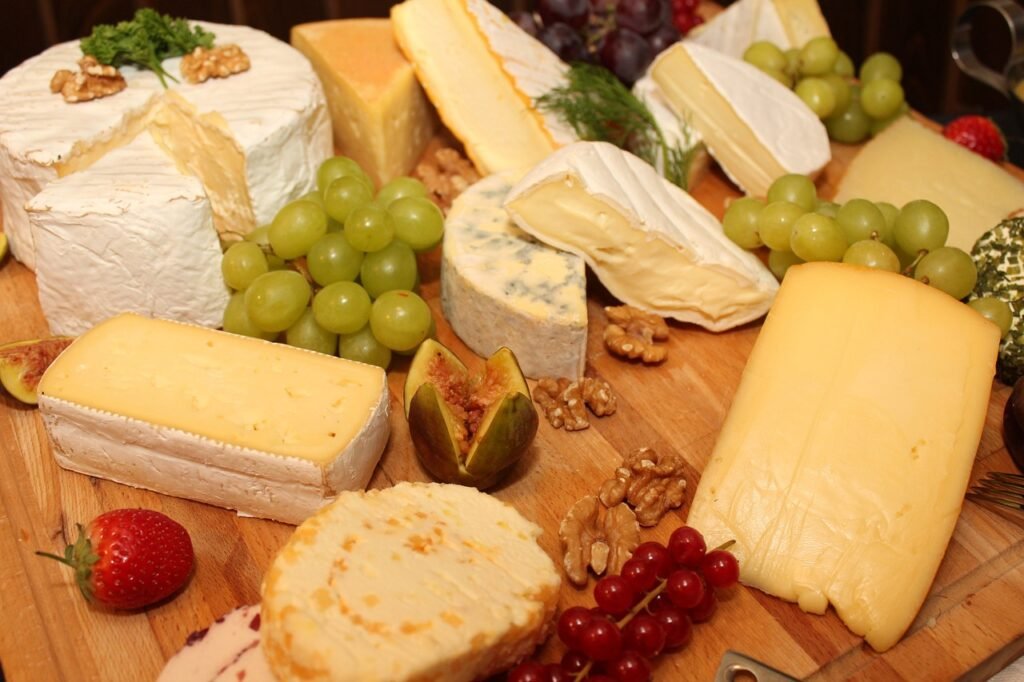
Cheese and Weight Loss
Cheese isn’t the enemy when losing weight — it can actually help. Protein in cheese boosts satiety, supports muscle during calorie restriction, and may help regulate appetite. Lower-calorie, high-protein types like cottage cheese or part-skim mozzarella are great options. Healthy fats in cheese slow digestion and help maintain stable energy levels.
The key is moderation and smart pairing. Overeating can lead to a calorie surplus, but balanced portions can make cheese a satisfying and nutritious part of your diet.

 By
By