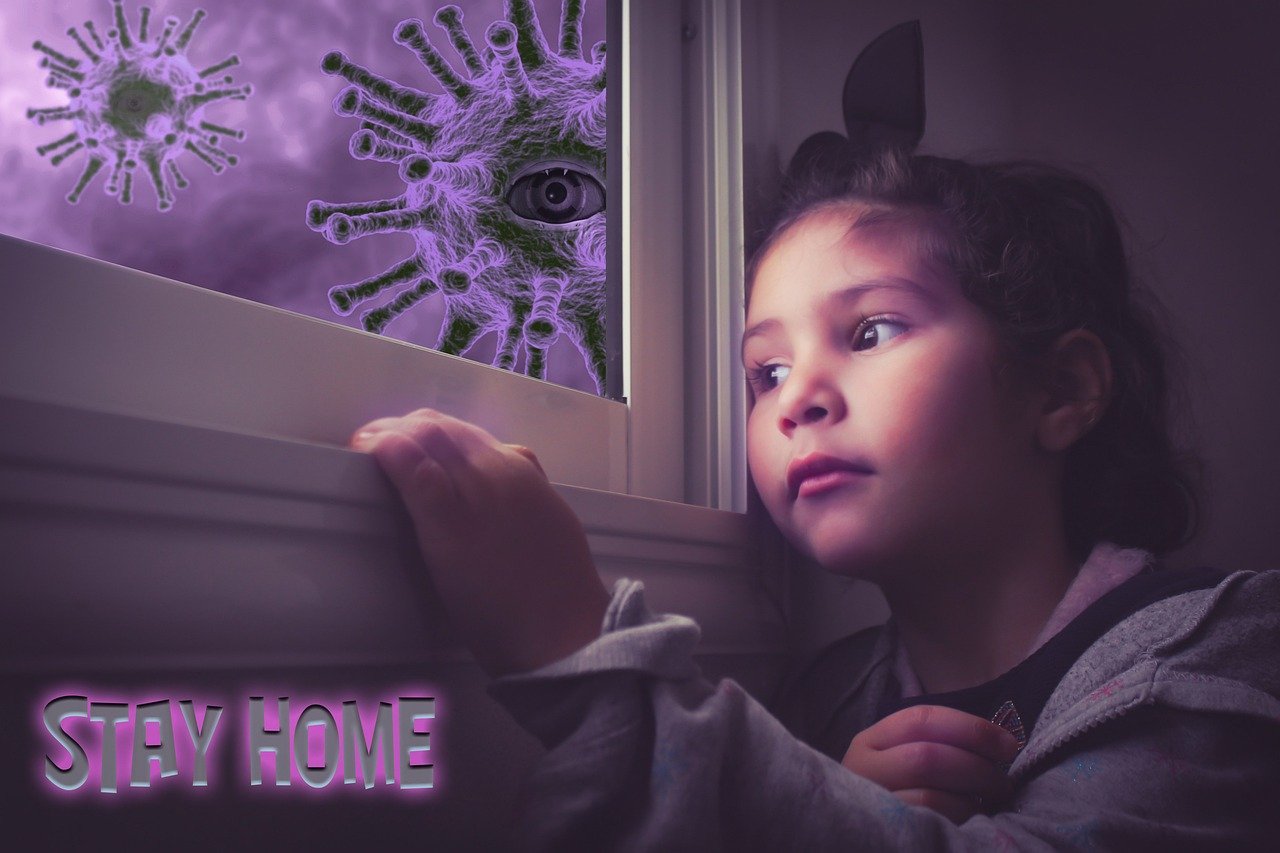

Five years after COVID-19 lockdowns began, researchers are uncovering the lasting impacts on children who lived through this unprecedented disruption. From developmental delays to educational setbacks, the pandemic has left an invisible mark on what experts now call “the COVID generation”.
Developmental Delays Emerge
Teachers report striking differences in today’s preschoolers compared to pre-pandemic classes. Many children struggle with basic physical activities like jumping or climbing, likely due to limited outdoor play during critical toddler years. Classrooms have become quieter places too – music sessions were temporarily canceled when overwhelmed children couldn’t handle the sensory stimulation.
Studies tracking babies born during lockdowns reveal potential language delays and challenges with executive functioning. Researchers suspect missing early social experiences – like seeing varied facial expressions or hearing different voices – created subtle but important gaps in development.
The Education Crisis
The numbers paint a stark picture:
- Students lost an average of 7 month’s math learning.
- Disadvantaged children fell even further behind.
- Global economic losses could reach trillions as this generation enters the workforce.
While some recovery has occurred, the gap between privileged and disadvantaged students continues to widen. Targeted interventions like small-group tutoring show promise, but require significant investment.
Unexpected Emotional Impacts
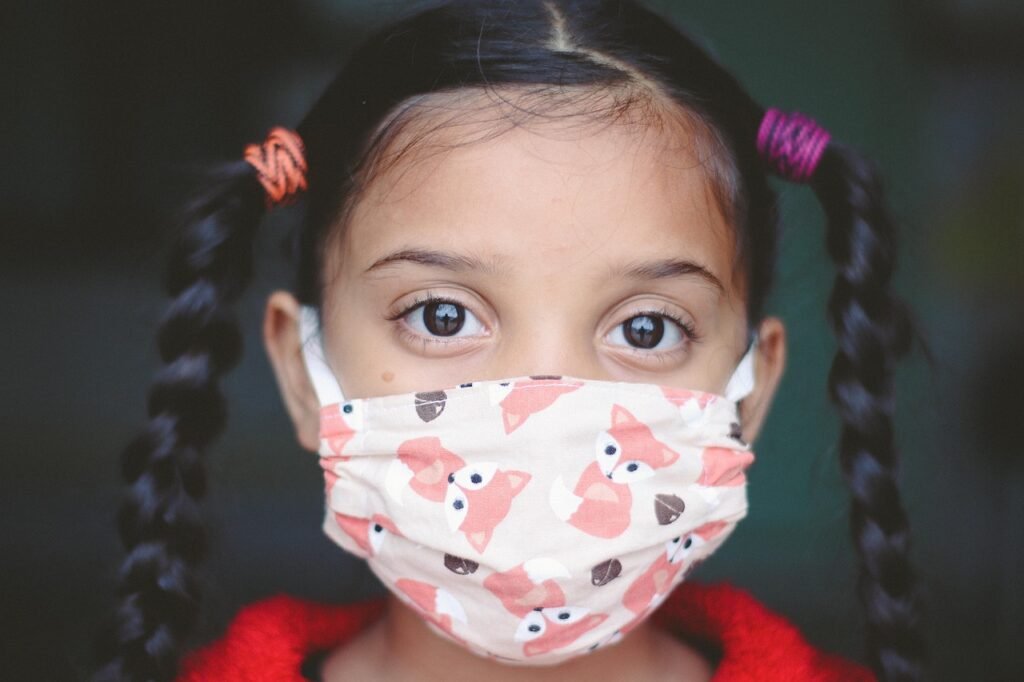
Surprisingly, some children demonstrated increased emotional maturity during the pandemic, possibly from exposure to adult concerns. However, mental health professionals note many children now exhibit separation anxiety and slower achievement of developmental milestones compared to pre-pandemic norms.
Signs of Hope
Teachers like Rebekah Underwood see gradual improvement in newer classes, with children becoming more physically confident each year. Researchers hope these findings will not only help COVID-affected children, but also inform approaches for other isolated populations in the future.
As this generation shows, their unique experiences may reshape our understanding of childhood development and education in times of crisis.

 By
By