

Protein is one of the most important nutrients your body needs. It helps repair tissues, build muscles, support hormones and enzymes, and keeps you full for longer, which may help prevent overeating and support weight management. Because of this, protein is often called the building block of life.
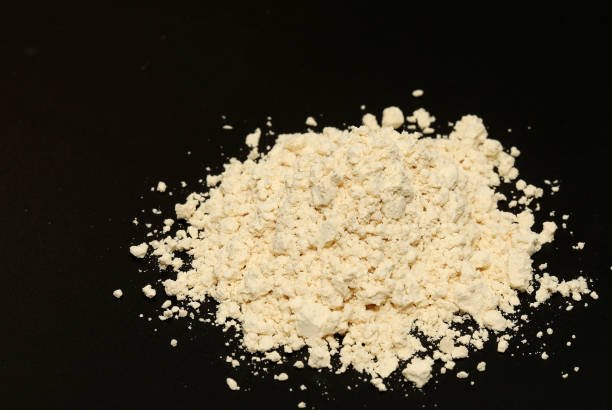
In recent years, more people have started paying attention to their daily protein intake. Gym lovers, athletes, and even everyday individuals are focusing on protein-rich diets. This shift has also made protein powders a popular choice. But the real question is – do you really need protein powders every day?
Are protein powders really necessary?
Protein powders are convenient, but not essential for everyone. Most people can meet their daily protein needs through a balanced diet that includes whole food sources. However, there are certain groups who may find protein powders helpful, such as:
- Athletes and fitness enthusiasts with higher protein needs
- People who follow restrictive diets
- Older adults who need more protein for muscle maintenance
- Vegans and vegetarians who may struggle to get enough protein from food alone
Food – first approach is the best
Health experts suggest focusing on real food first. Instead of immediately choosing supplements, make sure each meal includes at least one protein-rich food. Easy options include:
- Dairy products like milk, curd, and paneer
- Pulses and legumes
- Nuts and seeds
- For non-vegetarians: eggs, chicken and fish
A nutritionist from Max Hospital explained that some people, such as pregnant or breastfeeding women, athletes, and those recovering from illness, may require extra protein. In such cases, supplements can be used but only under professional guidance.
Best food sources of protein
Here are some easy ways to get enough protein daily:
- Non – vegetarian sources: chicken, fish (salmon, tuna, shrimp), eggs, milk, cheese and yogurt
- Vegetarian sources: legumes, pulses, tofu, tempeh, dairy products, nuts, seeds (chia, hemp, almonds, peanuts), and whole grains like quinoa and barley.
Protein powders are useful in some cases but not a must-have for everyone. If you can get enough protein from your meals, you don’t need to depend on supplements. Before adding protein powders to your diet, it’s best to check your personal nutrition needs and consult a doctor or nutritionist for safe guidance.

 By
By