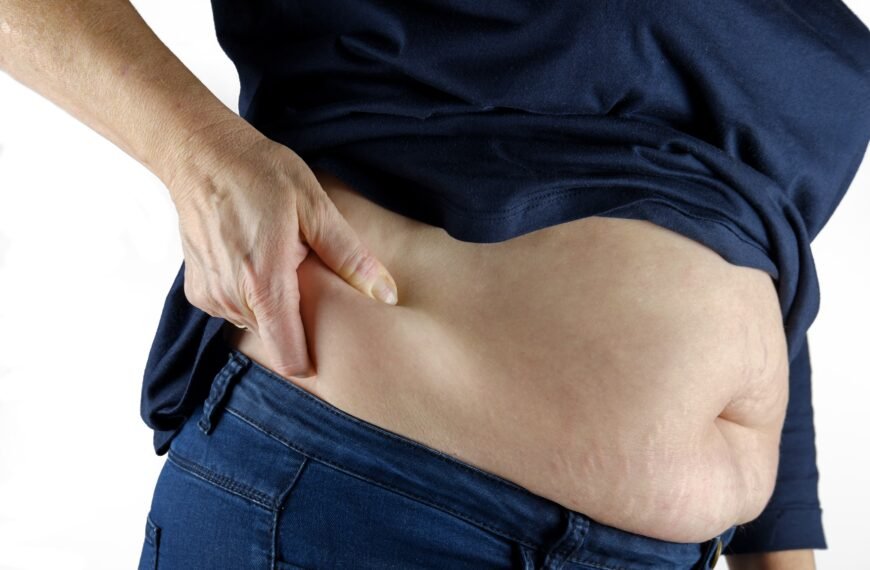

Fake fasting, also known as water-only fasting – mimicking diet (FMD), is becoming a popular method for weight loss and healthy ageing. This diet copies the effects of water fasting but still allows small amounts of nutrients, making it easier and safer for many people. It aims to support fat loss, better blood sugar control, and even slow down signs of ageing.
Below is a simple breakdown of what fake fasting is, how it works, and what recent studies say about its benefits.
What Is Fake Fasting?
Fake fasting is a diet where a person eats very limited food for a few days to imitate the effects of water fasting. Instead of eating nothing, the body receives small amounts of nutrients that help maintain basic energy while still triggering fasting benefits.
It focuses on:
- lowering calorie intake
- reducing protein and carbohydrate levels
- raising healthy fats
- improving blood sugar and ketone balance
This method has shown results in weight loss, improved insulin sensitivity, and cellular repair.
How the Fasting-Mimicking Diet Works
According to a 2024 study published in Nature Communications, the fasting-mimicking diet is done in monthly cycles;
- 5 days on the FMD plan
- 25 days on a normal diet
During the five-day fasting cycle, people consume foods such as;
- plant-based soups
- energy bars and drinks
- herbal tea
- low-calorie snacks
- supplements with vitamins, minerals, and essential fats
The diet was created by Professor Valter Longo from USC Leonard Davis School, who says this method makes people biologically younger without needing long-term lifestyle changes.
What Research Says About Fake Fasting
Two clinical trials with adults aged 18 to 70 showed strong benefits. people following FMD for 3-4 monthly cycles experienced:
- lower insulin resistance
- reduced HbA1c levels
- improved metabolic function
- signs of a younger biological age
- better immune system activity
Researchers say these results show the diet may help lower disease risks and support healthier ageing.
Can Fake Fasting Help With Dementia?
A 2023 study explored the effects of FMD on Alzheimer’s disease. People who followed the diet showed:
- better cognitive function
- improvements in certain Alzheimer’s biomarkers
- better overall well-being
However, researchers say more studies are needed to understand the best length, frequency, and long-term safety of fake fasting.
Is Fake Fasting Safe?
Fake fasting is easier to follow than complete water fasting because the body still receives essential nutrients. Many doctors in the US and Europe already recommend it for people with high disease risk factors. However, individuals with medical conditions should consult a doctor before starting this type of diet.
Fake fasting offers a modern approach to fasting by providing the benefits of calorie restriction without the difficulty of a full fast. Studies show promising results in weight loss, improved blood sugar, metabolic health, and even age reversal. With more research underway, this diet trend may become a popular choice for people looking for safer fasting options with long-term health benefits.


 By
By