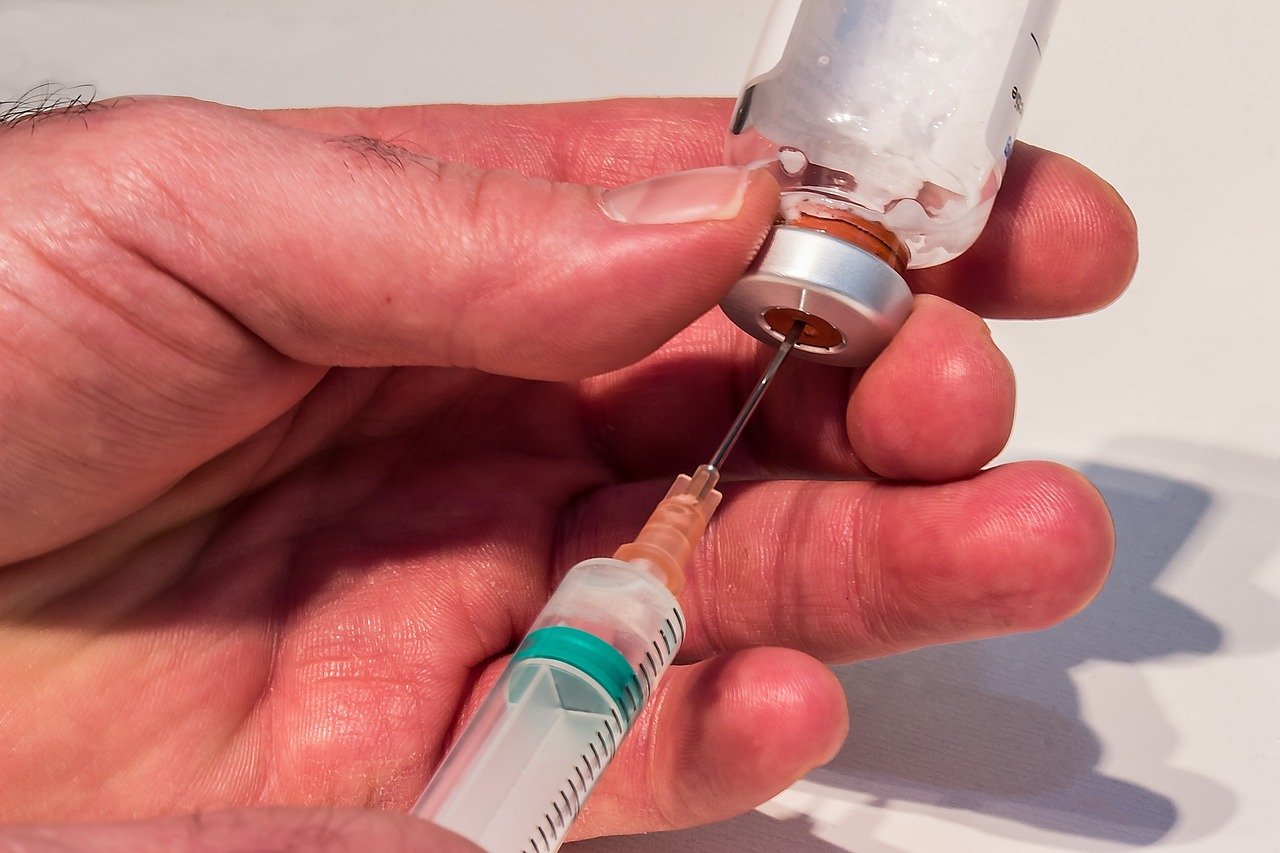

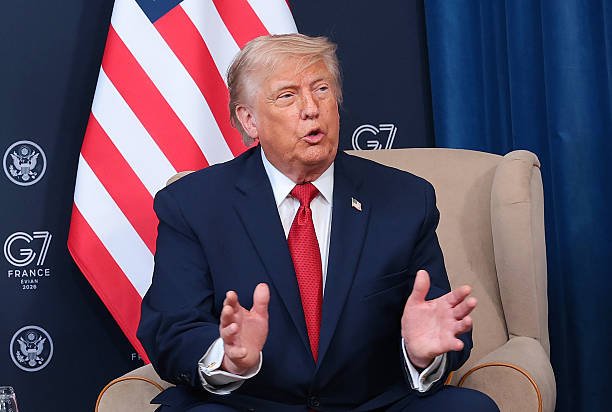
Eight countries, predominantly in Africa, including Nigeria and Kenya, are at risk of running out of essential HIV medications due to recent cuts in foreign aid by the US government, according to the World Health Organization (WHO). This decision, announced by President Donald Trump, aims to review government spending but could have dire consequences for HIV programs that have made significant progress over the last two decades.
WHO chief Tedros Adhanom Ghebreyesus expressed grave concerns, stating that the disruption could lead to over 10 million new HIV cases and three million deaths attributed to HIV-related complications—more than three times the number of deaths recorded last year. Countries including Nigeria, Kenya, Lesotho, South Sudan, Burkina Faso, Mali, Haiti, and Ukraine are facing imminent shortages of life-saving antiretroviral (ARV) medications.
Trump’s executive order initially paused foreign aid for 90 days as part of his “America First” policy, significantly hindering health programs globally. The US Agency for International Development (USAID), responsible for much of the funding and logistical support for HIV treatment and prevention, has suspended many of its programs.
Despite a temporary waiver granted for the US’s pivotal HIV initiative, known as the President’s Emergency Plan for AIDS Relief (Pepfar), its operations have been severely impacted due to the overall disruption. Launched in 2003, Pepfar has played a crucial role in providing ARV medications to millions, saving over 26 million lives. The current funding cut has led to a suspension of HIV services in more than 50 countries.
Tedros pointed out that while the US has historically been generous in its contributions, it also bears a responsibility to ensure that its funding withdrawals do not devastate countries dependent on this support. He emphasized the need for a humane transition to alternative funding sources.
In sub-Saharan Africa, approximately 25 million people are living with HIV, representing over two-thirds of the global total. In Nigeria alone, nearly two million individuals rely on aid-supported medicines, while Kenya ranks seventh globally with around 1.4 million people living with HIV.
Dr. Tedros urged the US government to reconsider its stance on global health support, highlighting that such assistance not only saves lives but also enhances the safety of Americans by preventing potential outbreaks from spreading worldwide.

 By
By