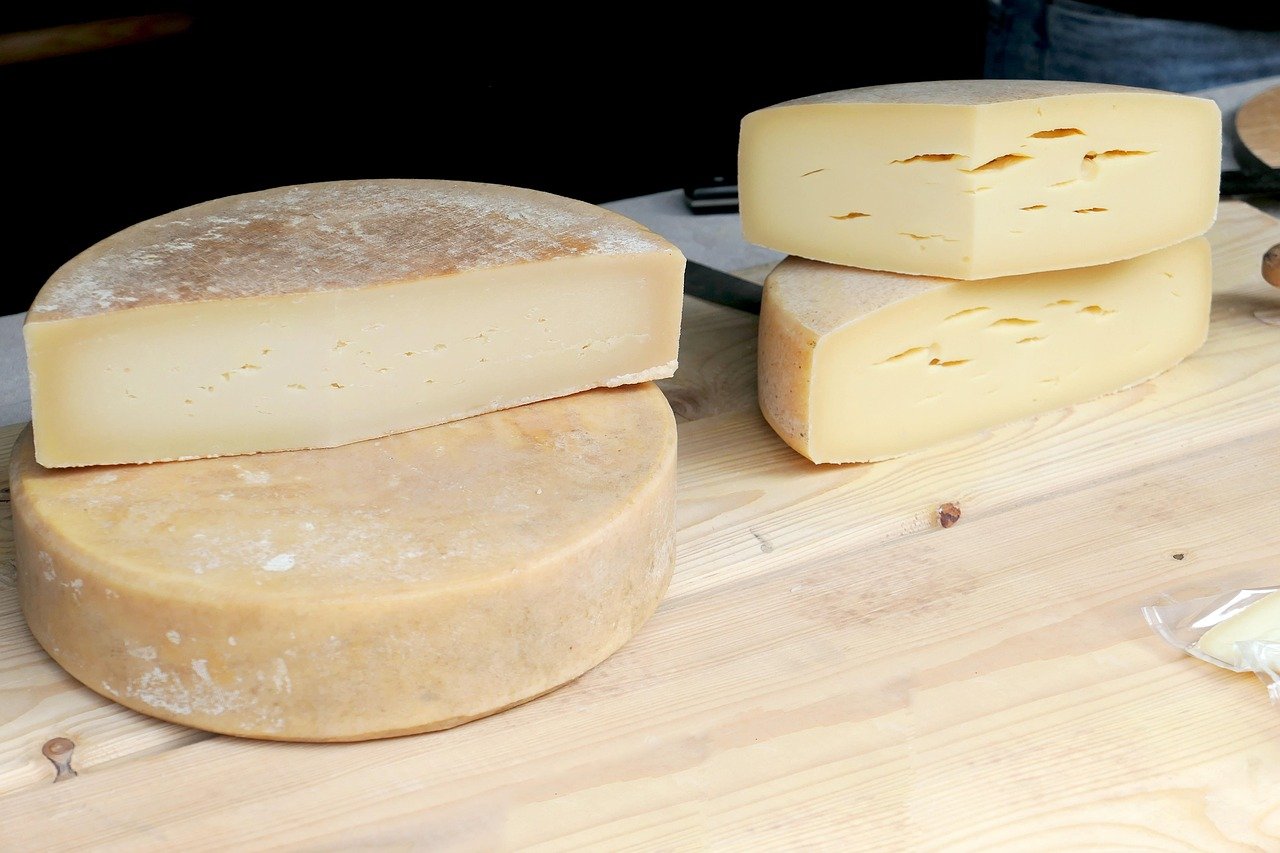

If you enjoy cheese, this news may surprise you. A recent Italian study has revealed that most dairy products, especially cheese, may contain microplastics – tiny plastic particles that cannot be seen with the naked eye. Researchers from the University of Padua tested 28 dairy samples, including milk and different types of cheese. Surprisingly, microplastics were found in all but two samples.
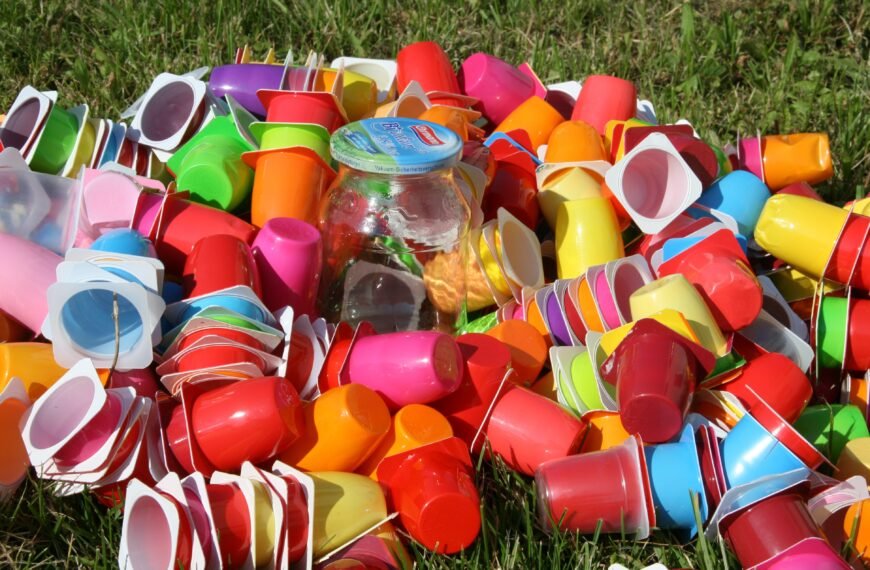
The most common plastic types detected were polyethylene, polypropylene, and PET — materials that are widely used in food packaging.
How Does Plastic End Up in Cheese?
Packaging is not the only source of plastic contamination. Experts suggest that the problem might start much earlier in the production process. Plastic materials used during milking, processing, and storage could all be responsible. Items such as milking equipment, animal feed containers, workers’ protective gear, and even transport materials can contribute to this hidden plastic presence in our dairy products.
Cheese vs. Milk – Which Has More Microplastics?
The research showed that not all dairy products carry the same amount of microplastics. Milk samples contained about 350 plastic particles per kilogram, while cheese had over 1,000 particles per kilogram on average.
When comparing cheese varieties, fresh types like mozzarella, ricotta, burrata, feta, and cream cheese contained around 1,280 particles per kilogram. However, ripened cheeses such as cheddar, Gouda, Parmesan, and blue cheese had even higher levels – around 1,850 particles per kilogram.
Health Concerns Linked to Microplastics
Microplastics are already found in air, soil, and water, but their presence in foods like cheese raises serious health concerns. Although research is still ongoing, several studies suggest possible health risks such as;
- Hormone disruption and gut imbalance
- Chronic inflammation and celluar damage
- Increased risk of liver problems, heart disease, and infertility
- Possible links to cancer and long-term organ damage
How to Reduce Everyday Plastic Exposure
While completely avoiding microplastics might not be possible, there are simple ways to reduce your exposure:
- Avoid drinking from plastic bottles
- Boil and filter tap water before drinking
- Replace plastic cutting boards with wooden or glass ones
- Never heat or microwave food in plastic containers
These small lifestyle changes can help limit the amount of plastic entering your body and reduce overall plastic pollution in the environment.
The study reminds us that even everyday foods like cheese can hide unseen contaminants. Until further research is done, it’s best to stay mindful of where our food comes from and make small changes to cut down on plastic use. Choosing eco-friendly options and supporting sustainable food practices can benefit both your health and the planet.

 By
By