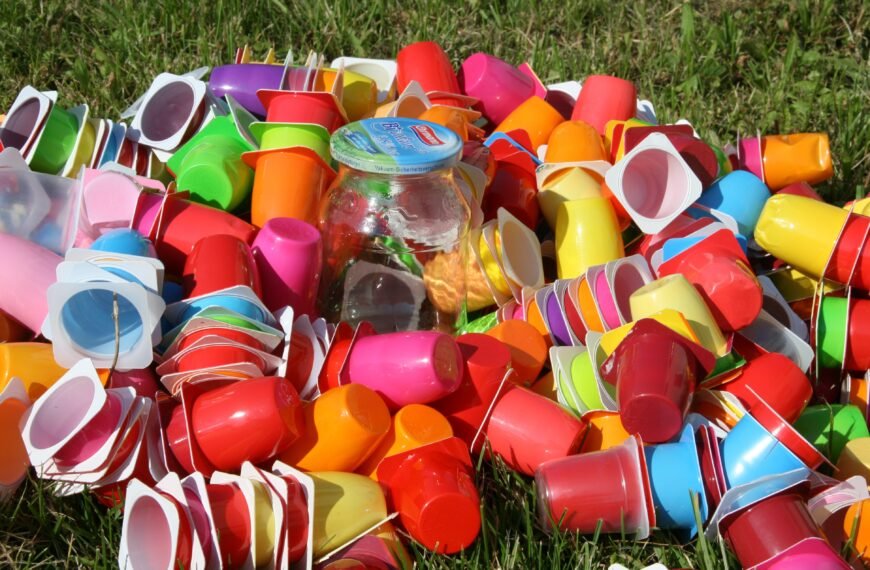

Microwave ovens have become a daily lifesaver in our kitchens, helping us heat up meals quickly and easily. But while we toss leftovers into the microwave without much thought, especially in plastic containers labeled as ‘microwave-safe’, it’s time to take a closer look at what that label actually means and whether these containers are truly safe for your health.
Many people assume that a ‘microwave-safe’ plastic container is completely harmless. However, that label only ensures the container won’t melt or warp under microwave heat. It does not mean that the plastic won’t release harmful chemicals into your food when heated. Health experts have clarified that these plastics can still leak toxins like phthalates and bisphenol A (BPA) when exposed to high temperatures. These chemicals, often used to maintain plastic’s shape and flexibility, are known endocrine disruptions. That means they can interfere with hormone functions in the body, especially affecting estrogens and testosterone levels, which are crucial for reproductive health and overall well-being.
Even BPA-free plastics are not necessarily safe. Manufacturers often replace BPA with chemicals like BPS or BPF, which are just as harmful. These can still leak into your food, particularly when you microwave oily, acidic, or hot items. So, even if your container says BPA-free or food-grade, it doesn’t mean it’s free from health risks.
If you are looking for safer options, experts recommend food-grade silicone. It is approved by the U.S. FDA and known to be a heat-resistant and non-toxic when used correctly. Another safe choice is glass or ceramic containers, which don’t leach any chemicals into your food. Just be cautious and make sure those containers are marked microwave-safe, as some glazes or metallic elements can still cause issues in the microwave.
In short, microwave -safe plastic does not always mean safe for your health. Using plastic might be convenient, but choosing the right material can protect you from long-term chemical exposure. Next time you reheat your food, consider swapping your plastic dabba for a glass or chemical bowl. It’s a small change that can make a big difference.

 By
By