
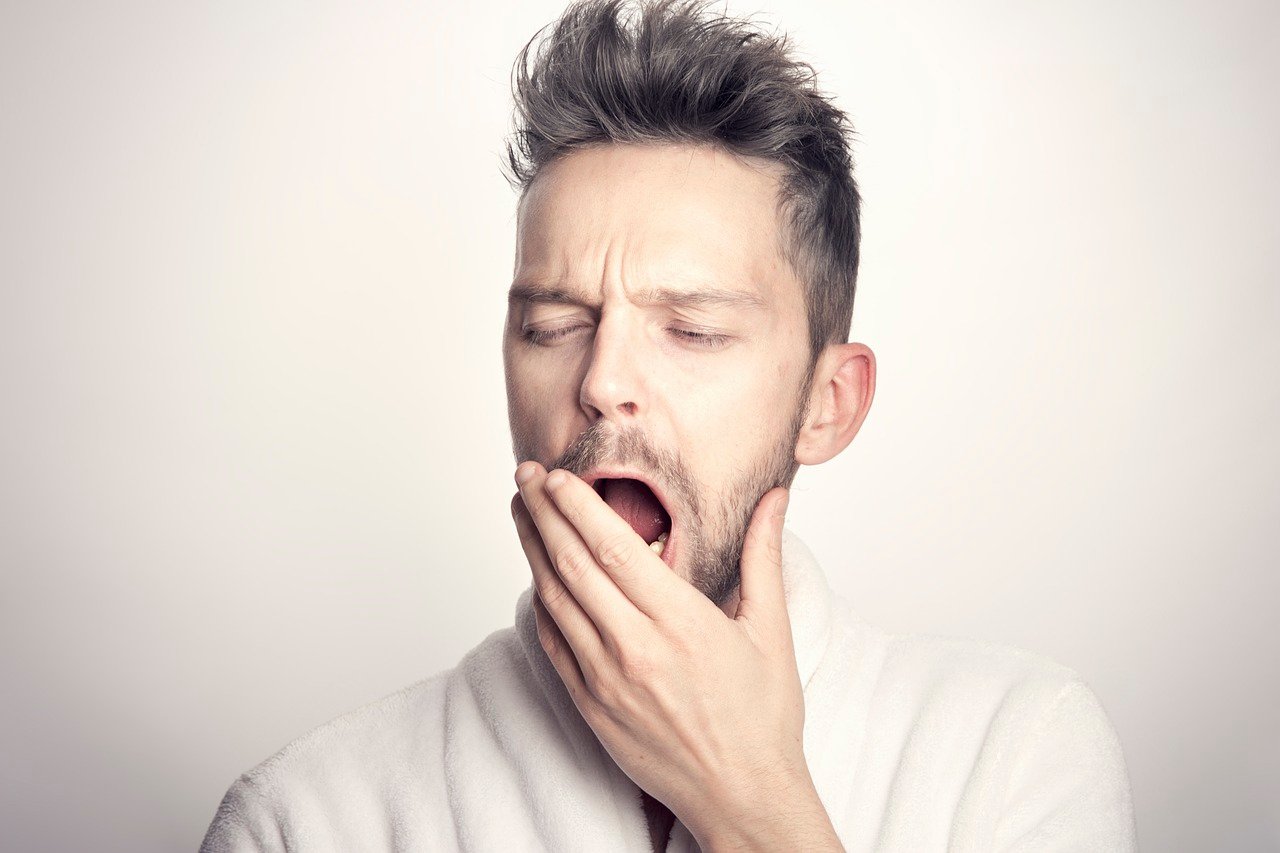

That third cup of coffee you need to get through the day might be more than just a habit – it could be a red flag. According to a major new report from the American Academy of Sleep Medicine, constant yawning and daytime sleepiness are serious warnings of a sleep deficit that can put your safety and long – term health at risk. Experts warn that dismissing these signs can have dangerous consequences.
Why Sleepiness is a Serious Health Threat
Feeling sleepy isn’t just an inconvenience; it’s significant health concern. A lack of quality sleep – less than seven to eight hours for most adults – is linked to the development of serious conditions like diabetes, heart disease, high blood pressure, and depression. Beyond long – term health, daytime sleepiness is a direct course of workplace errors and drowsy-driving accidents, which account for about 100,000 crashes each year.
How to Tell if You’re Dangerously Tired
How can you know if your sleepiness is a real problem? A common test used by doctors is the Epworth Sleepiness Scale. It asks how likely you are to doze off during daily activities like sitting in a meeting, reading, or being a passenger in a car. A high score suggests your sleepiness is clinically significant. Physical signs include droopy eyelids, body slumping, shaky hands, and even feeling reckless or impulsive.
The Deceptive Nature of Chronic Sleep Deprivation
One of the biggest changes is that we become bad judges of our own tiredness. When you’re chronically sleep-deprived, your brain adjusts and makes you feel like you’re coping, even when you’re not. Your brain may start taking “microsleeps”—brief, uncontrollable naps lasting a few seconds. During these moments, your reaction time and coordination are severely impaired, making activities like driving extremely risky.
Common Causes Beyond Just “Not Sleeping Enough”
While not getting enough hours in bed is the main cause, other factors can contribute to excessive sleepiness. Underlying sleep disorders like sleep apnea or restless leg syndrome are common culprits. Certain medications, chronic pain, and lifestyle habits are also key factors. Using alcohol or marijuana to help fall asleep can actually ruin sleep quality, leading to more fatigue the next day.
What You Can Do About It
If you regularly feel excessively sleepy; It’s important to talk to a doctor. They can help identify any underlying conditions. You can also improve your “sleep hygiene”: ensure your bedroom is dark, quiet, and cool; avoid caffeine and alcohol close to bedtime; and establish a consistent sleep schedule. Paying attention to your body’s signals and prioritizing sleep is not a luxury – it’s essential for your health and safety.


 By
By