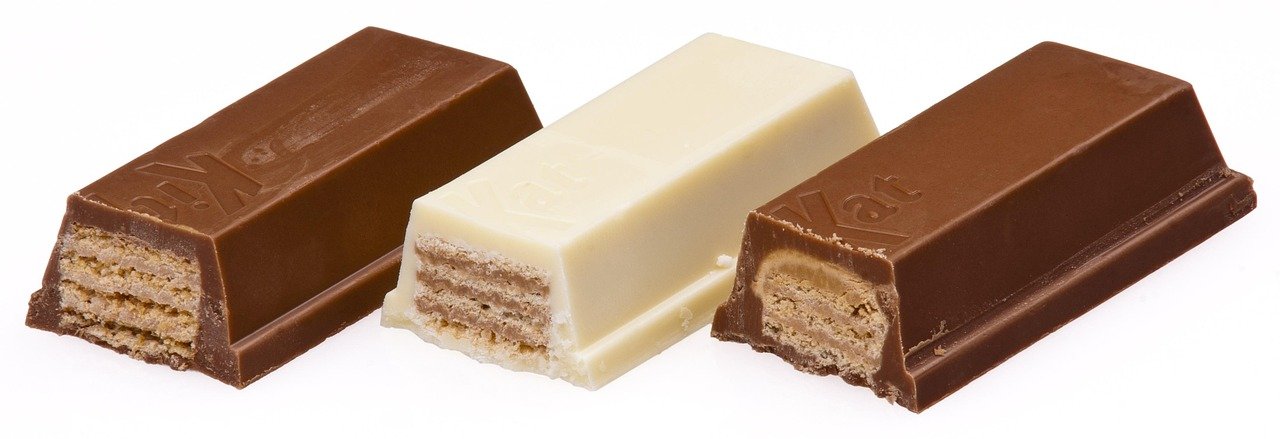

The colorful world of packaged snacks is undergoing a dramatic transformation as Nestle joins other food giants in removing artificial dyes from its U.S. products by 2026. This sweeping change means the vibrant hues in candies, cereals, and baked goods will soon come from natural sources rather than petroleum-based chemicals.
For decades, synthetic food colors made treats visually appealing while raising health concerns. Recent studies linking these additives to childhood hyperactivity and potential cancer risks have accelerated the shift toward natural alternatives. The FDA has approved three new plant-based colorants – including extracts from red algae and butterfly pea flowers – giving manufacturers cleaner options to maintain product appeal without artificial ingredients.
This reformulation movement reflects growing consumer demand for transparency in food production. Nearly two-thirds of Americans now support removing synthetic additives from processed foods, according to recent polling. States like California have already banned artificial dyes in school meals, while national campaigns push for healthier food standards industry-wide.
The transition presents both challenges and opportunities for food companies. While natural colors may alter the appearance of familiar products, they offer a chance to rebuild consumer trust. As Marty Thompson, Nestle’s U.S. CEO, stated, this change represents their commitment to “serving and delighting people” through better ingredients.
This industry-wide shift signals a new era in food manufacturing, where vibrant treats can be both eye-catching and free from questionable additives. While the colors of your favorite snacks may become slightly more muted, their formulations will reflect modern understandings of nutrition and safety – proving that what matters most isn’t how food looks, but what’s really in it.


 By
By