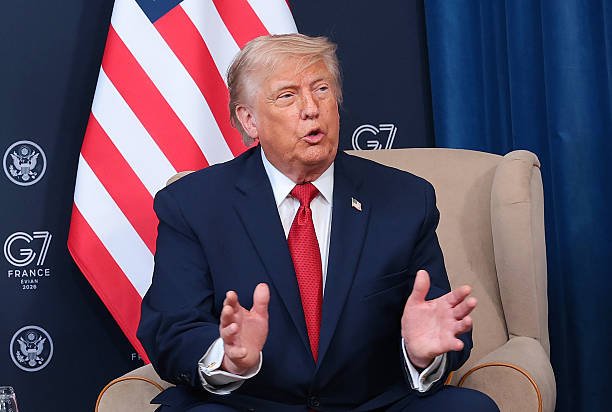


Nvidia, a leading player in AI technology, has reportedly reached an agreement with the Trump administration to avoid export controls on its advanced H20 AI chips. These chips are critical in the evolving landscape of artificial intelligence and are still eligible for export to China. This agreement comes after Nvidia CEO Jensen Huang committed to investing in new AI data centers within the U.S. during a dinner at Trump’s Mar-a-Lago resort.
Background on H20 Chip Concerns
The H20 chips, although modified for lower performance, were at the center of concern among semiconductor executives. They were reportedly utilized by the China-based company DeepSeek to train its R1 open AI model, which gained attention for its competitive capabilities against models from U.S. firms, such as OpenAI. This raised alarms among U.S. lawmakers, who have pushed for more stringent measures on technology exports, particularly directed at China.
Political Dynamics and Industry Reactions
Initially, there were strong calls from senators of both parties for restrictions on the H20 chips, and the Trump administration seemed poised to impose such controls. However, the recent agreement suggests a shift in strategy, emphasizing the U.S. investment in AI infrastructure rather than limiting exports. Interestingly, the Trump administration decided to retain export rules put in place by former President Joe Biden, which introduced strict guidelines affecting chip exports to many countries, especially China and Russia.
Market Implications and Future Landscape
Nvidia has voiced concerns that these guidelines could hinder global innovation in AI. Other companies, inspired by Trump’s “America-first” stance, are also ramping up their investments in U.S. AI infrastructure. For instance, OpenAI partnered with SoftBank and Oracle for a huge $500 billion U.S. data center project, while Microsoft announced an $80 billion investment aimed at expanding AI data centers, with a significant focus on U.S. facilities.
The pressure has extended even to partners like TSMC, with Trump reportedly demanding new chip factories in the U.S. under threat of high taxes.
Conclusion: The Road Ahead for AI and Exports
While Nvidia’s ability to export H20 chips remains secure for now, the broader implications for the AI sector and U.S.-China relations remain to be seen. As the landscape evolves, key stakeholders will be watching closely how these dynamics impact innovation, competitiveness, and global market trends.

 By
By