
Refrigerators are a lifesaver when it comes to keeping food fresh. But did you know that not everything belongs in the fridge? Some foods actually lose their quality or spoil faster when stored in cold temperatures. If you’ve been putting everything in the fridge without a second thought, it’s time to rethink your storage habits. Here’s a list of foods that are best kept out of the fridge for better taste, texture, and freshness.
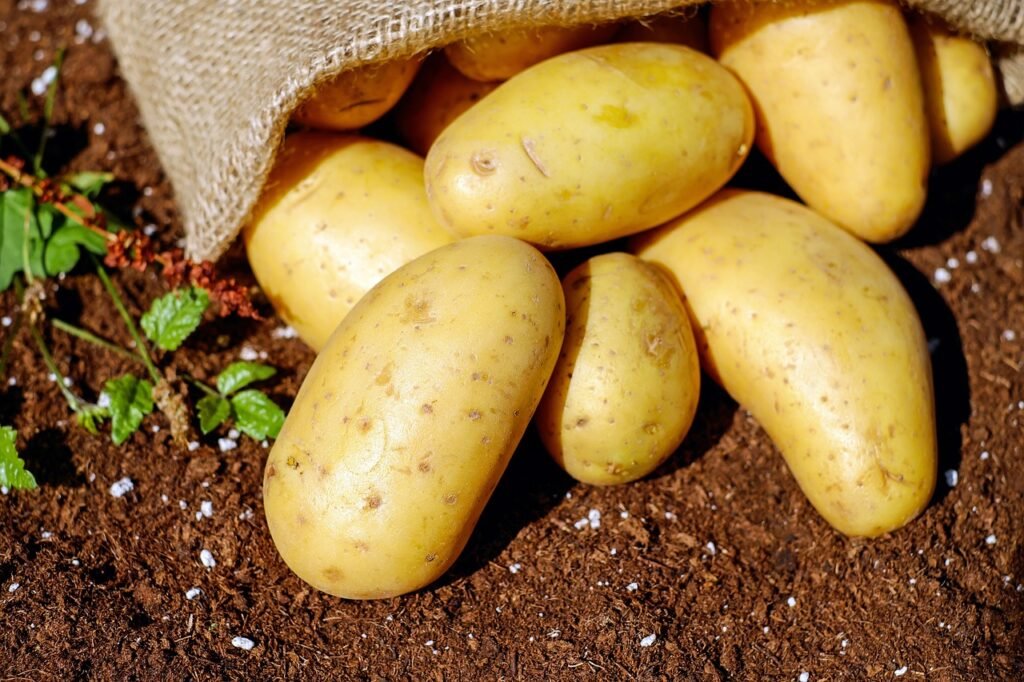
Potatoes: Cold temperatures turn starch into sugar faster, affecting the texture and flavor. Store them in a cool, dry place instead.
Bananas: Refrigeration speeds up the blackening process. Let them ripen naturally at room temperature.

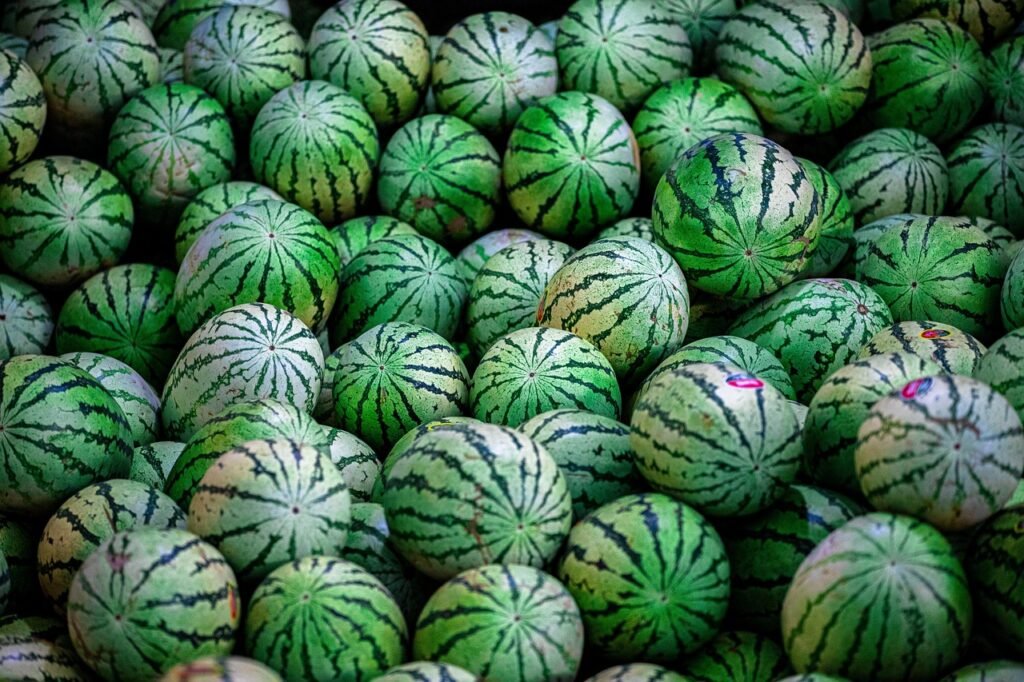
Whole Melons: Keeping them in the fridge can accelerate rotting. Store them in a cool, dry area until ready to cut.
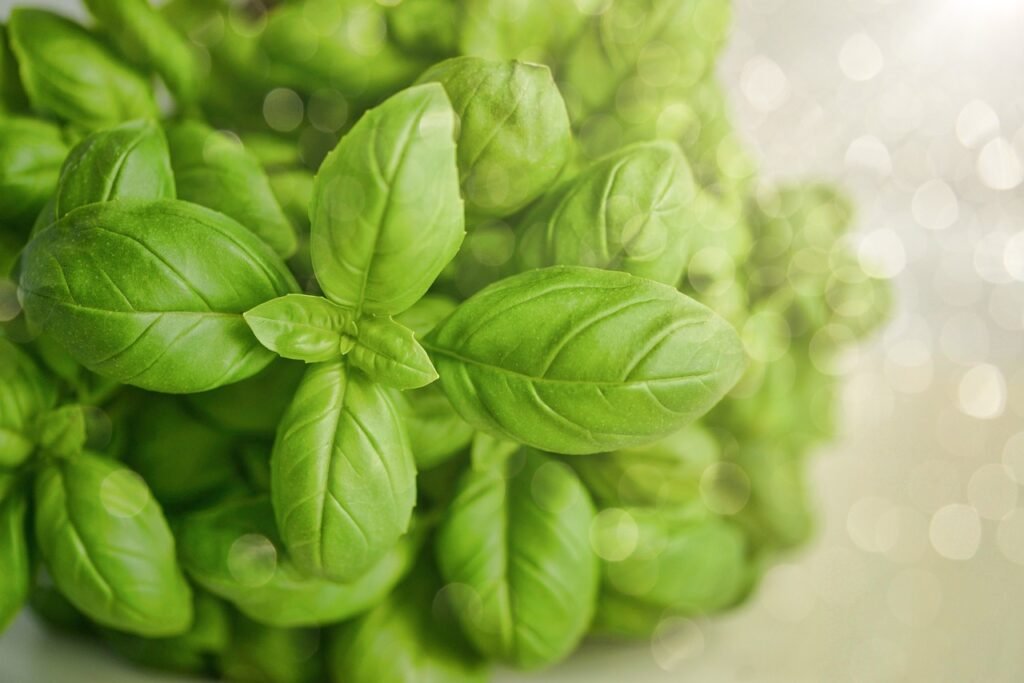
Basil: Cold temperatures cause black spots and ruin the flavor. Keep it in water at room temperature.
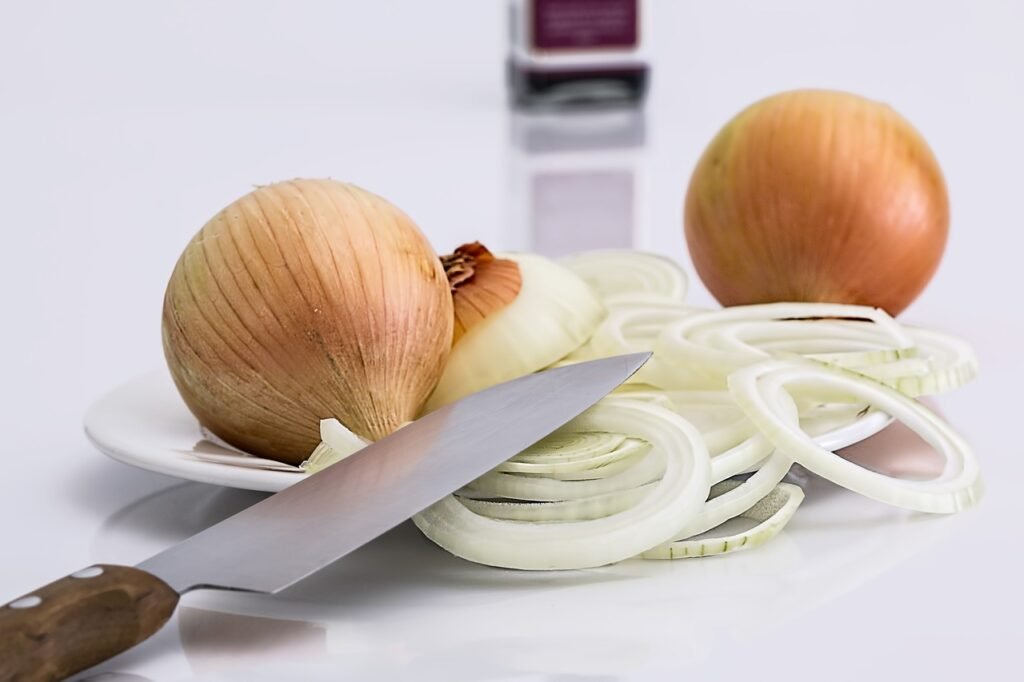
Onions: They need proper air circulation to stay fresh. Avoid storing them near potatoes as they speed up each other’s aging process.
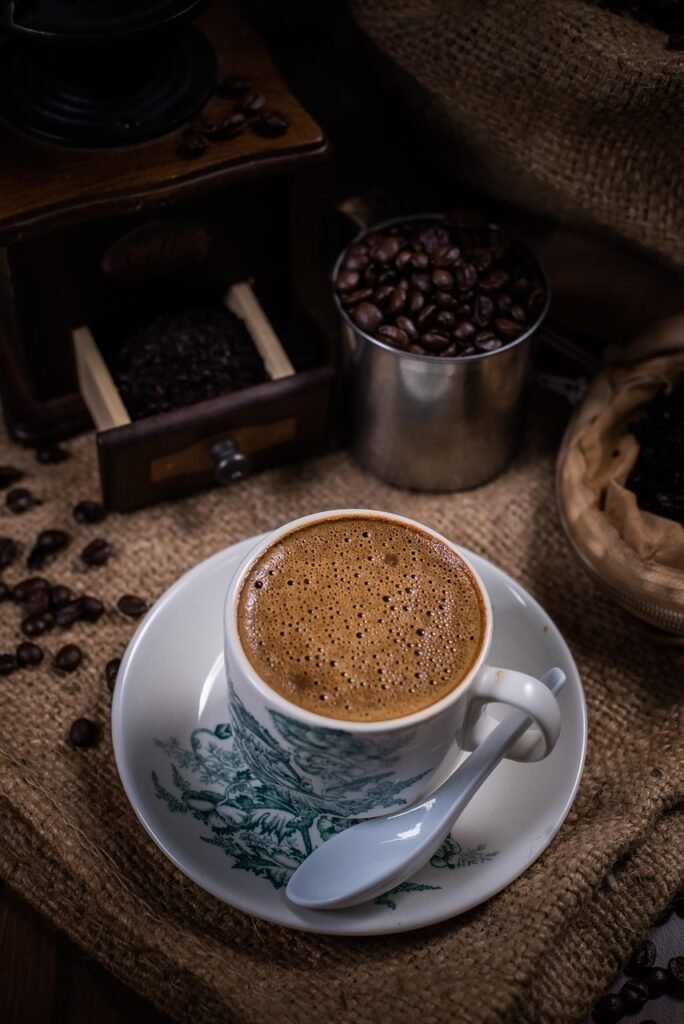
Coffee: Storing coffee in the fridge exposes it to moisture and odors, ruining its flavor. Keep it in an airtight container.
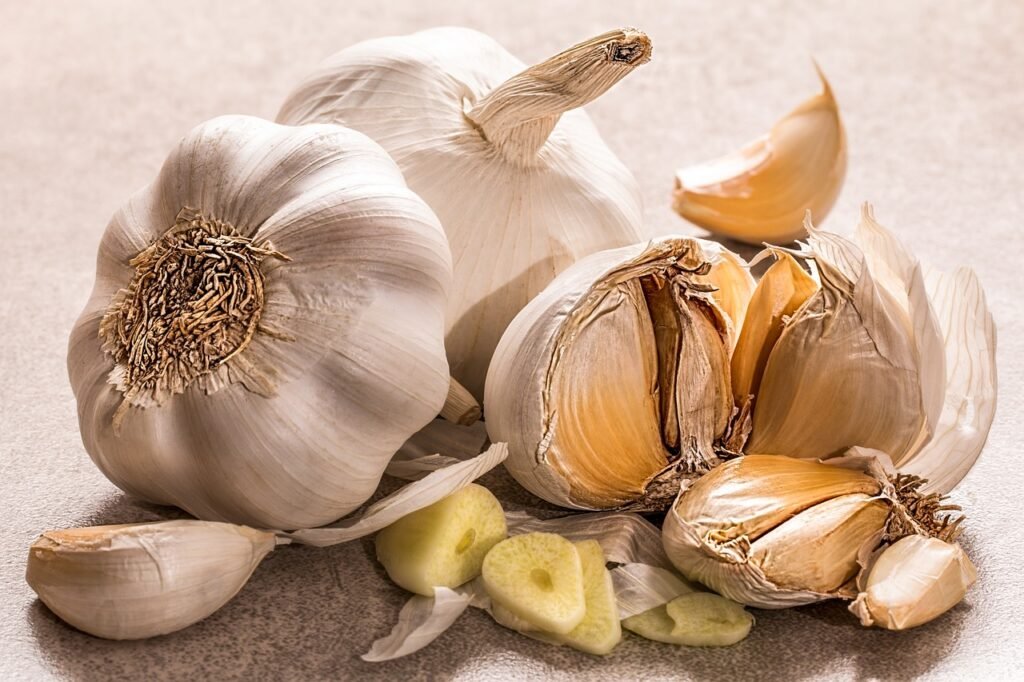
Garlic: Refrigeration causes mold and speeds up sprouting. Store it in a dry, warm spot instead.
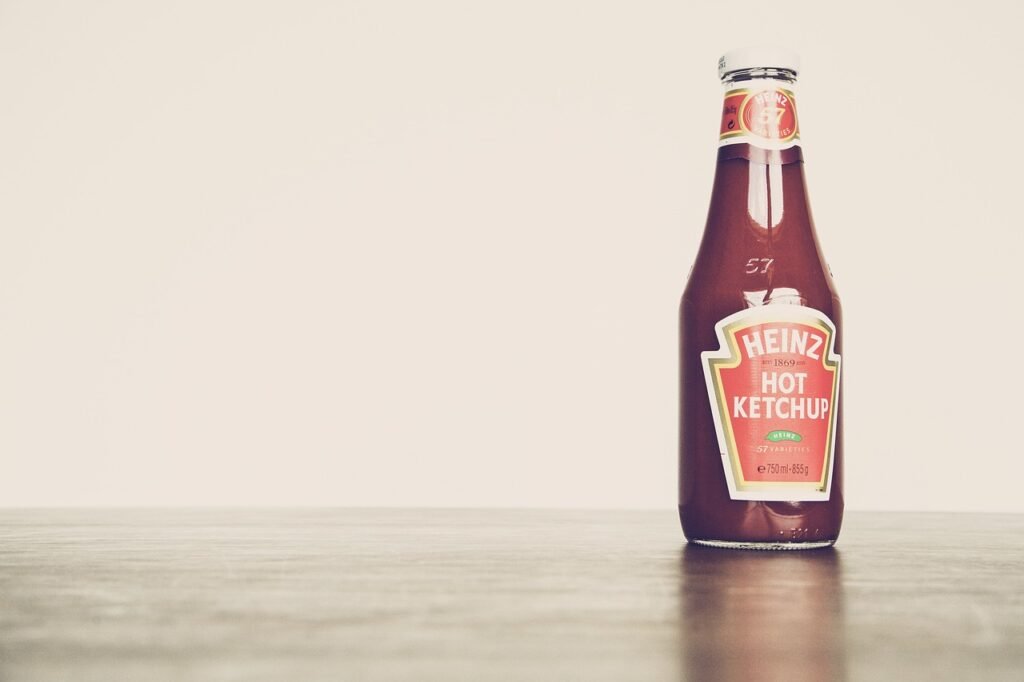
Hot Sauces: Many contain vinegar and preservatives that prevent spoilage. Refrigeration dulls the flavor.
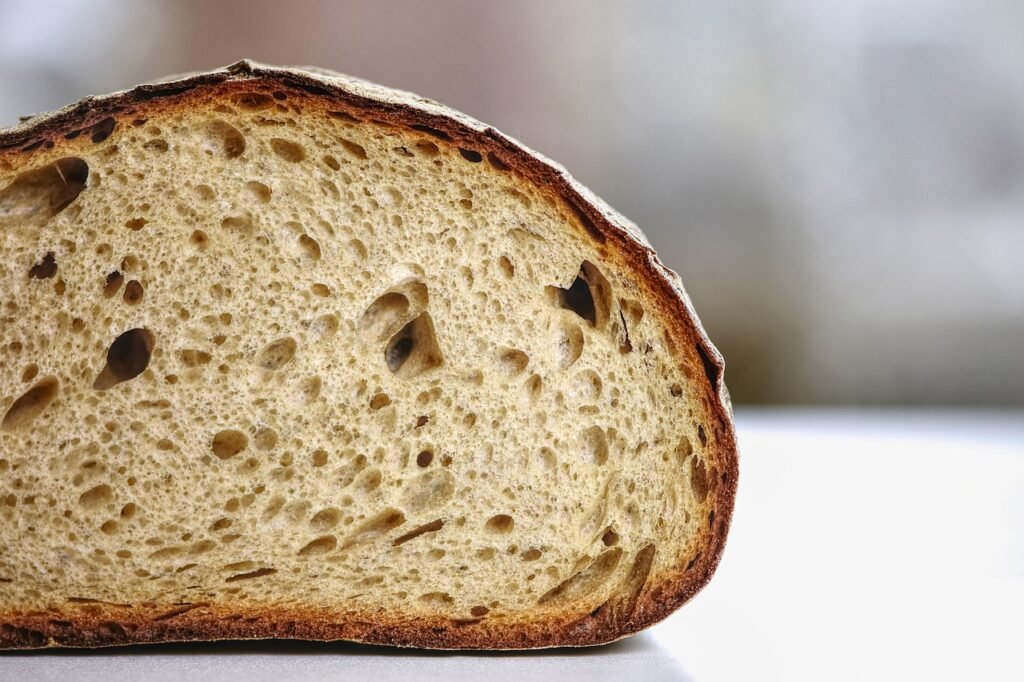
Bread: Cold air makes bread go stale faster. Keep it at room temperature unless it’s a sandwich.
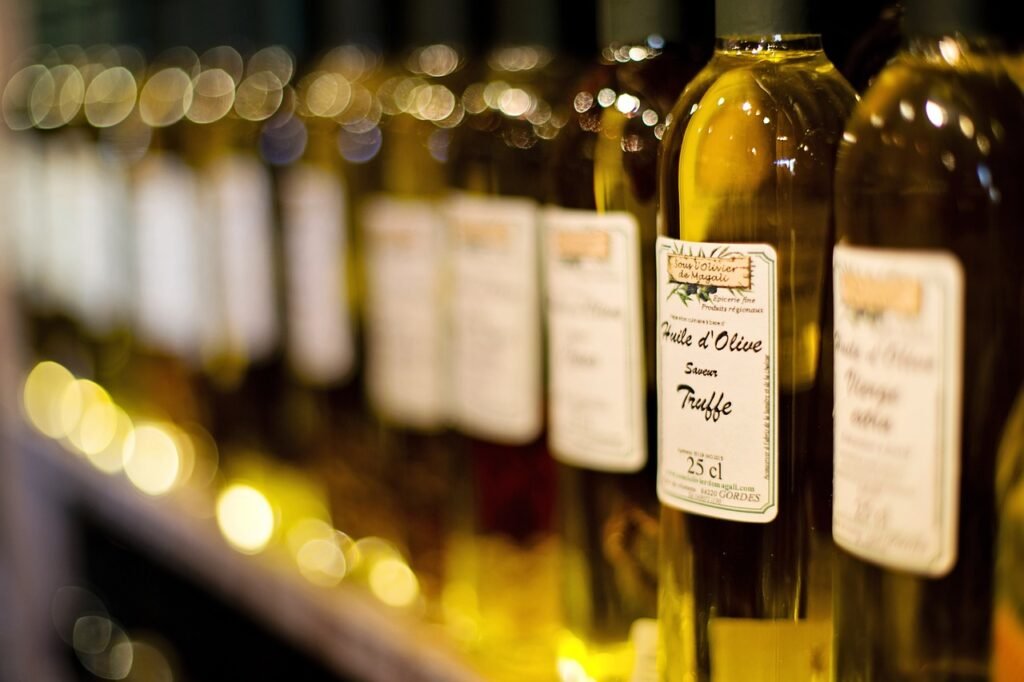
Oils: Cold temperatures make oils solidify and lose their texture. Store in a dark, cool place.
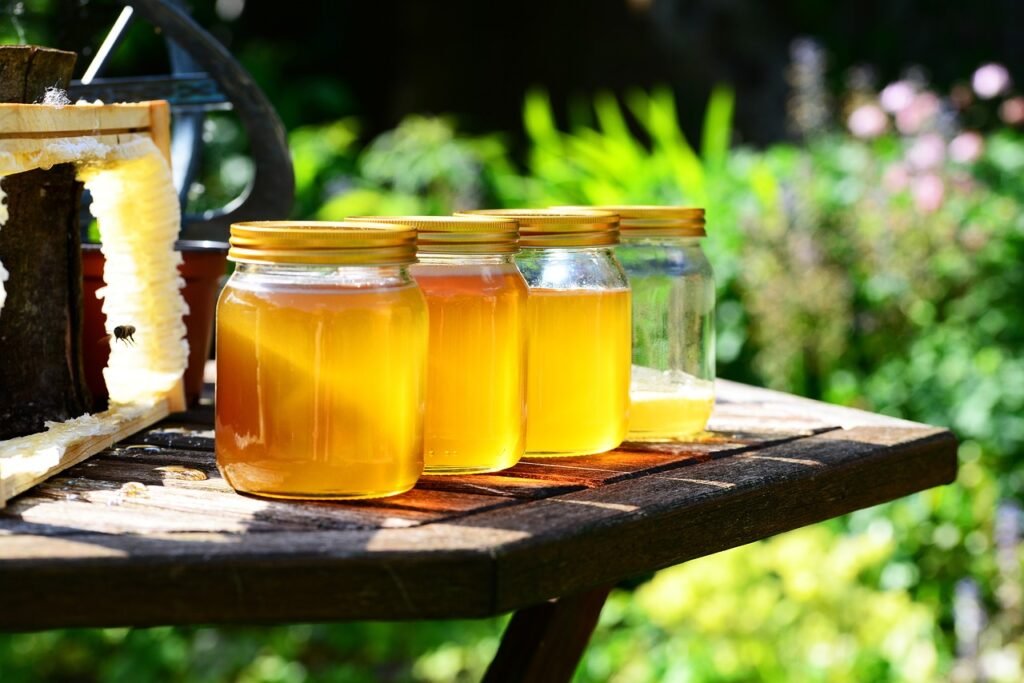
Honey: Refrigeration causes honey to crystallize and harden, making it difficult to use. Keep it in an airtight container at room temperature.
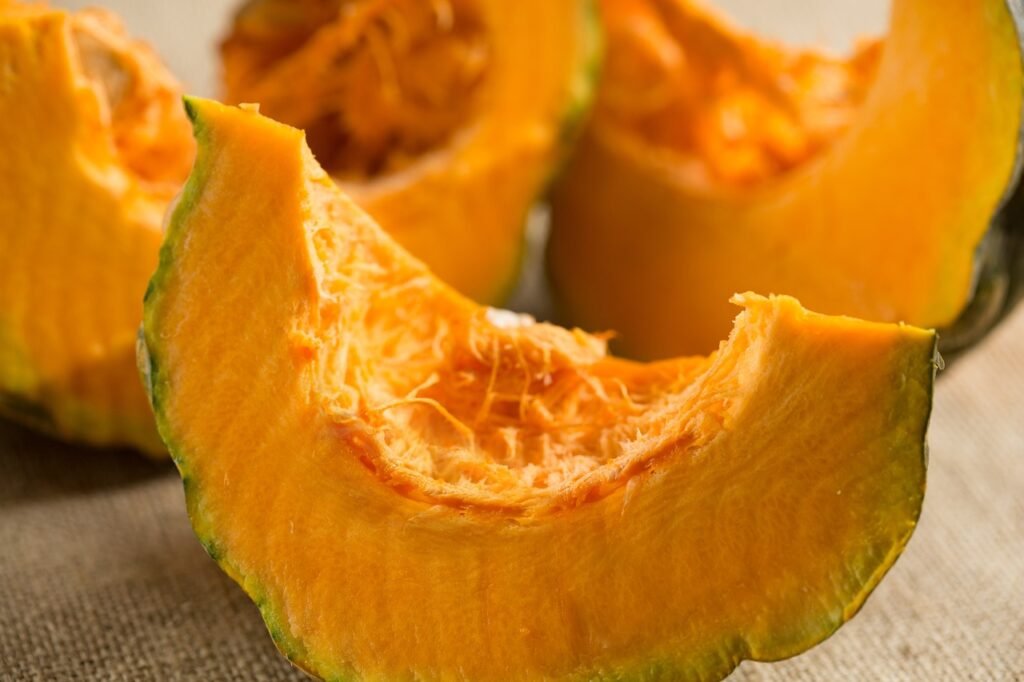
Pumpkin: Refrigerated pumpkins spoil faster. Store in a cool place to extend freshness.
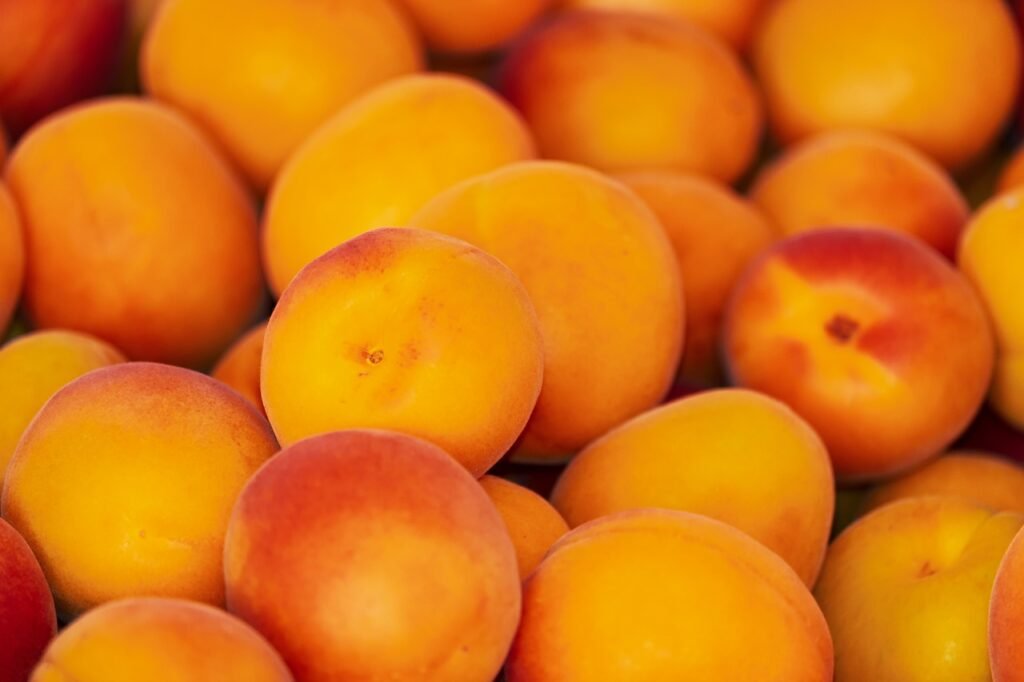
Apricots, Kiwi, Peaches, Mangoes: Like tomatoes and melons, refrigeration speeds up rotting. Keep them in a fruit bowl instead.
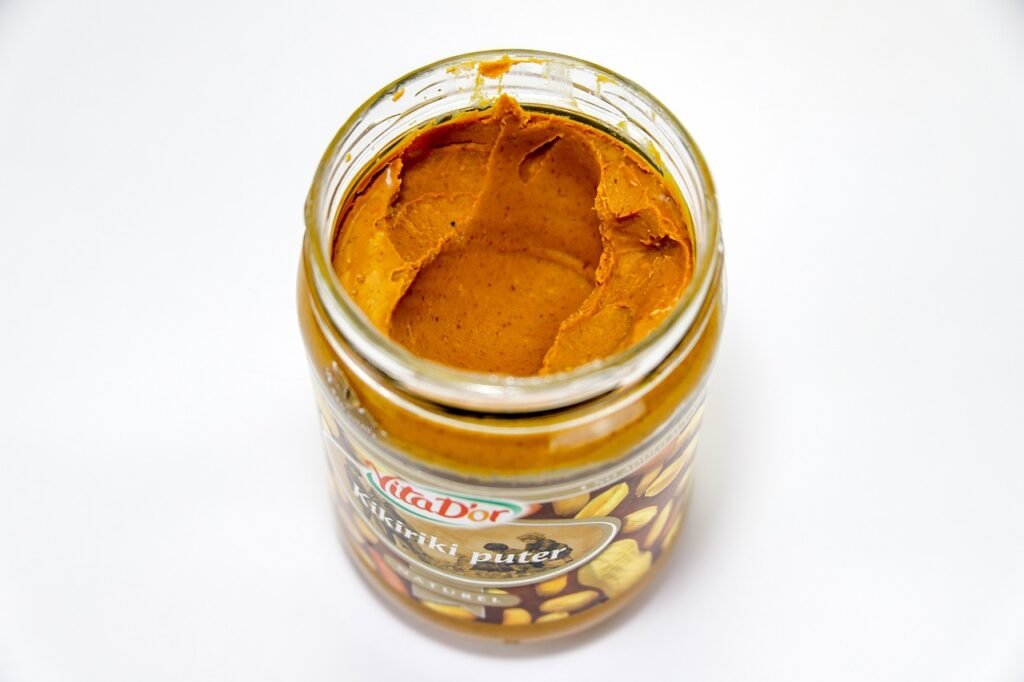
Peanut Butter: Cold temperatures harden peanut butter, making it difficult to spread. Store in the pantry.
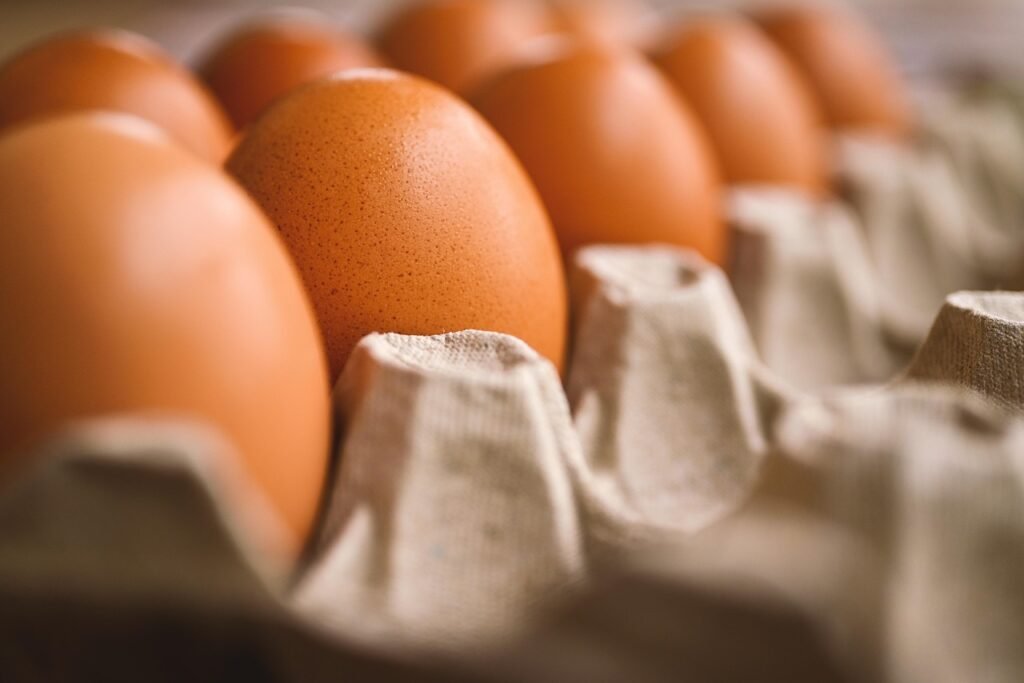
Eggs: Some prefer room temperature storage for better taste and texture, while refrigeration extends shelf life. It’s a personal choice.
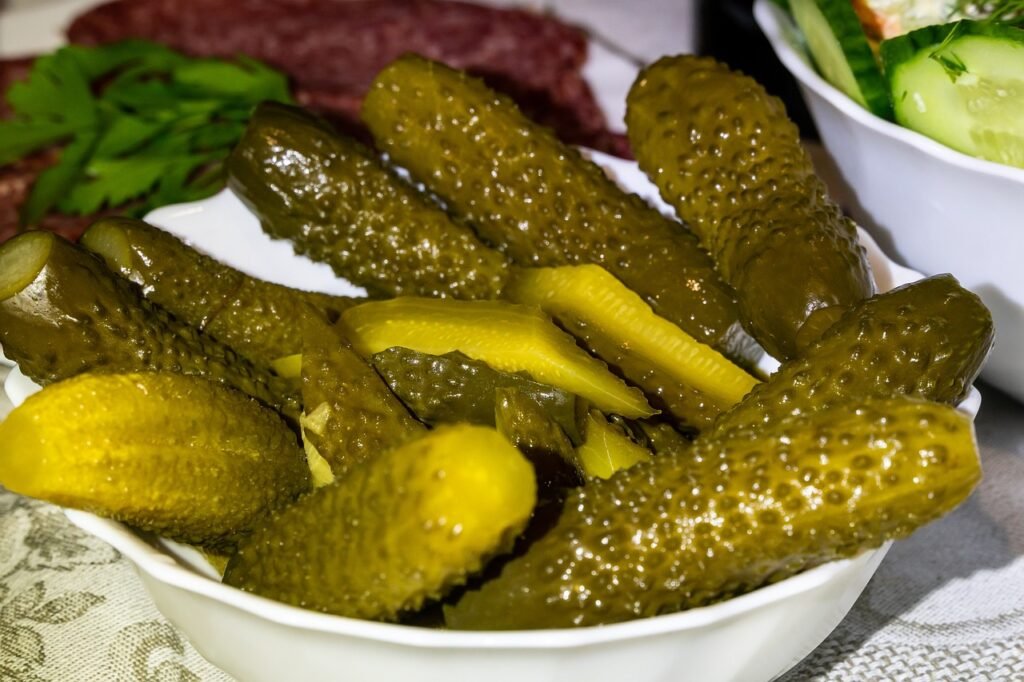
Pickles: Vinegar preserves pickles, so refrigeration isn’t necessary. Keep them in an airtight jar to maintain flavor.
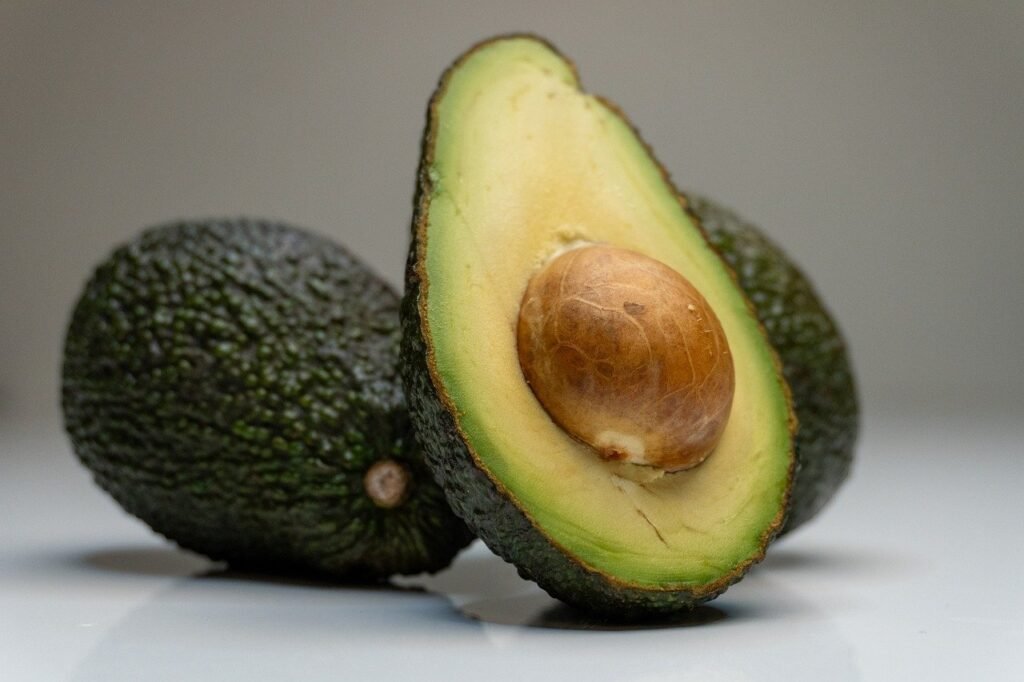
Avocados: Refrigeration slows ripening. Keep them at room temperature until fully ripe.
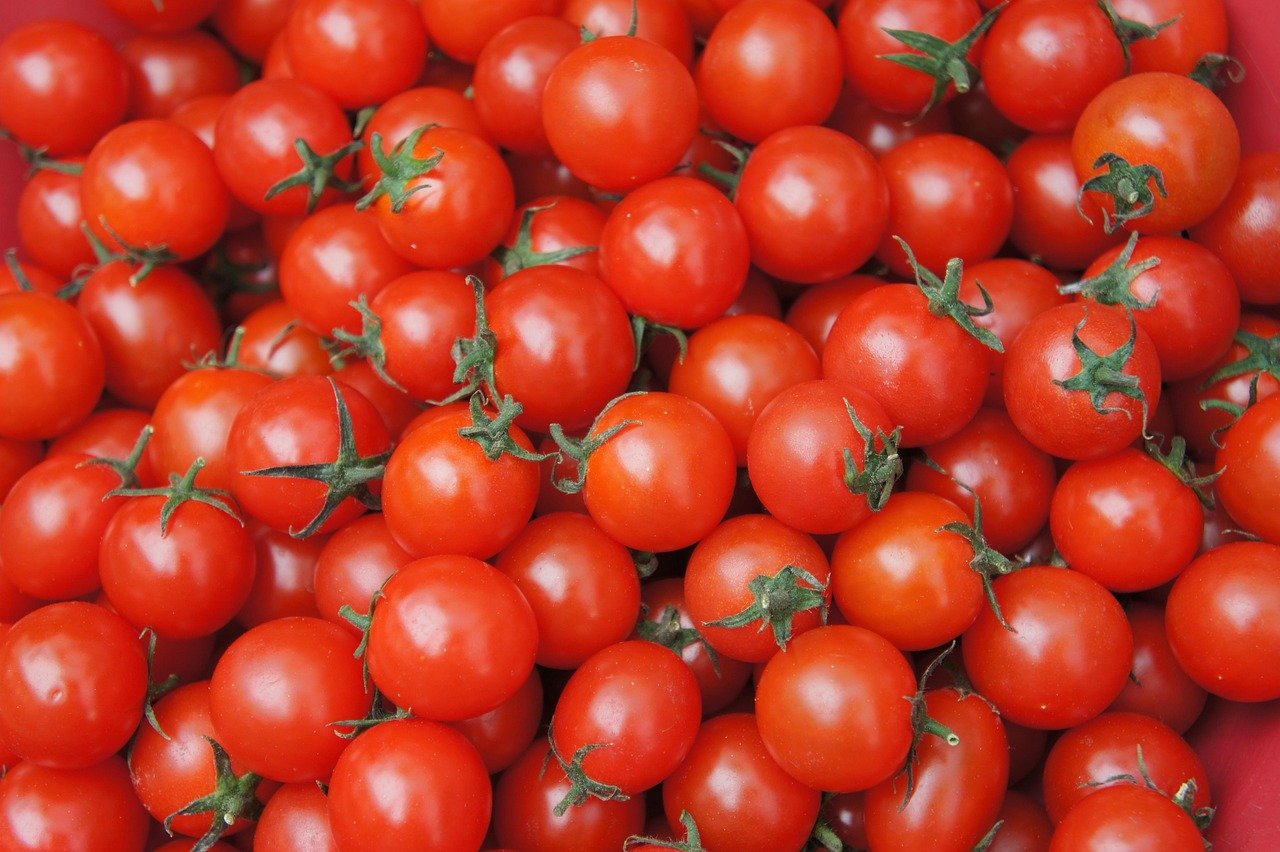
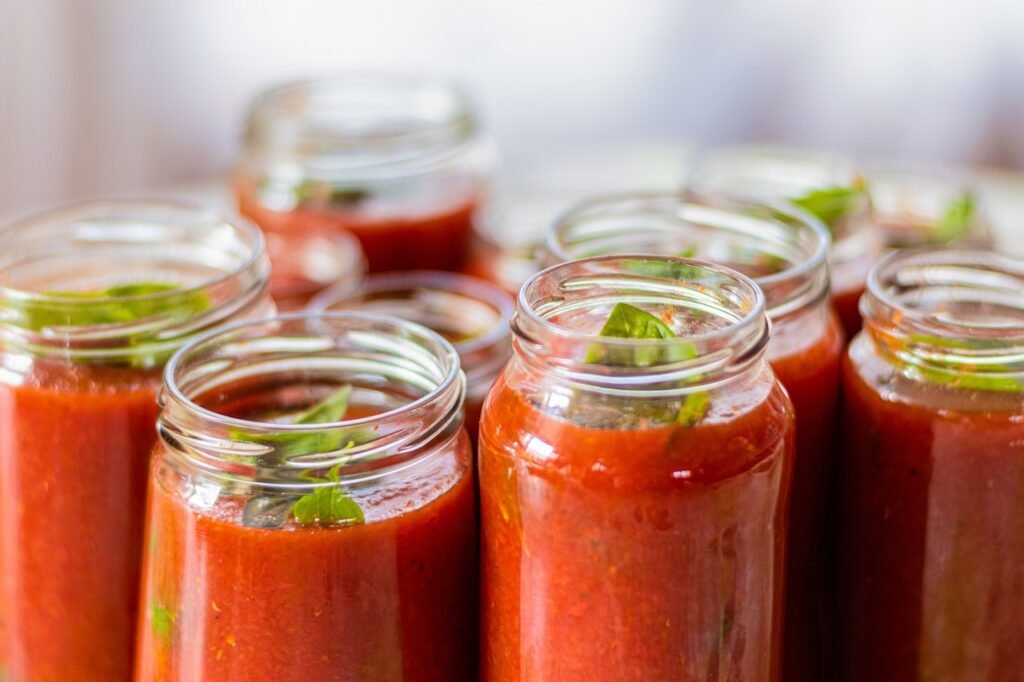
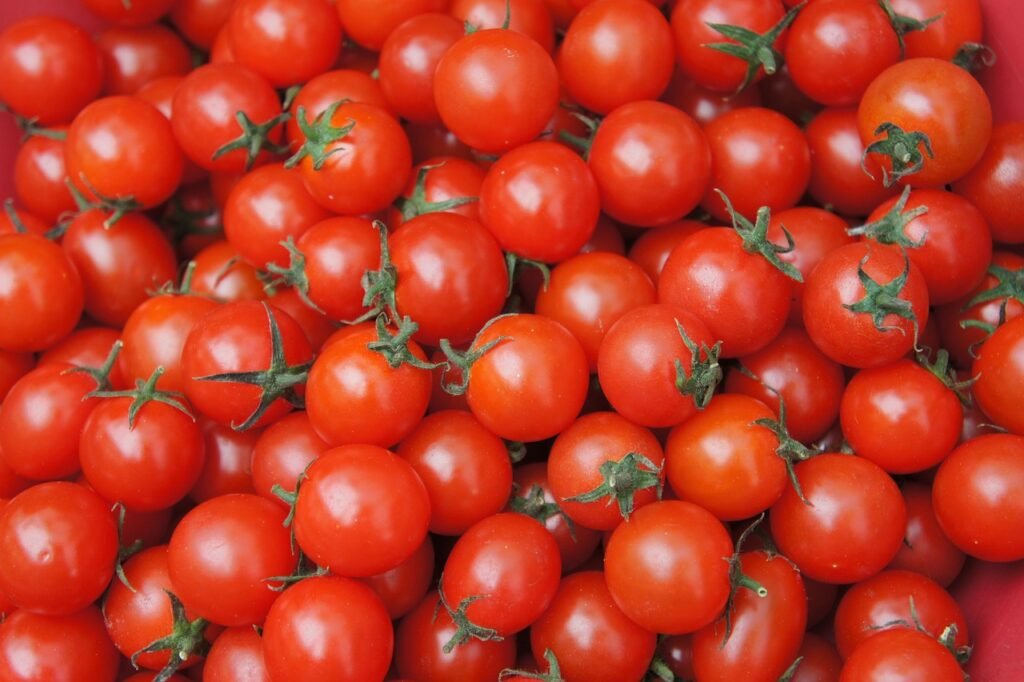
Tomatoes: Cold temperatures make tomatoes grainy and ruin their texture. Store in a warm, dry place.
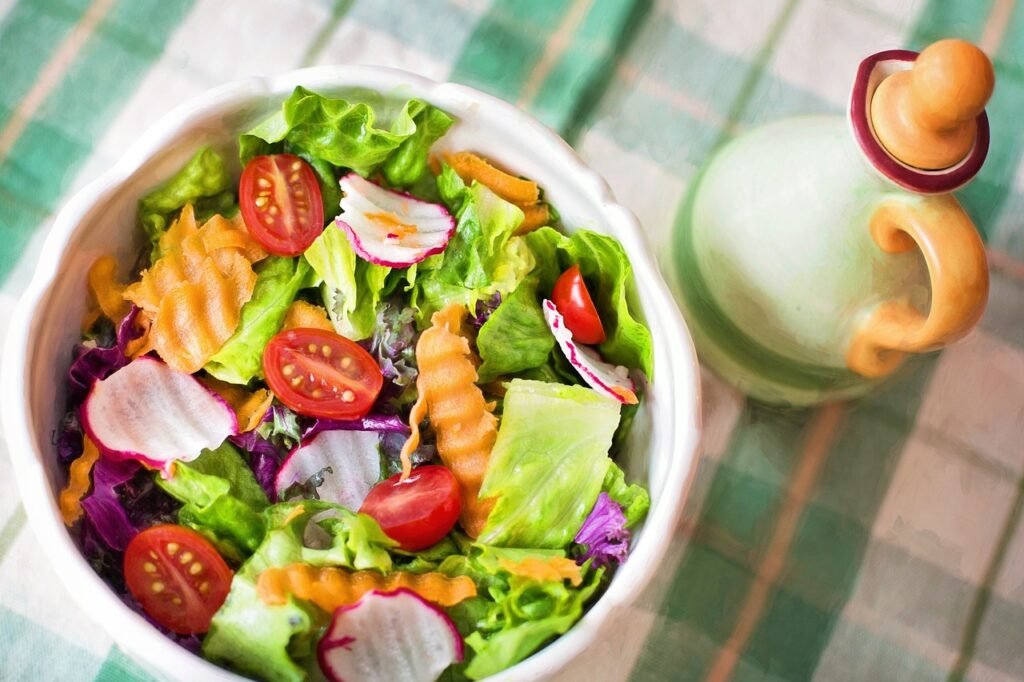
Salad: If already dressed, refrigeration won’t help—it’s best enjoyed fresh at room temperature.
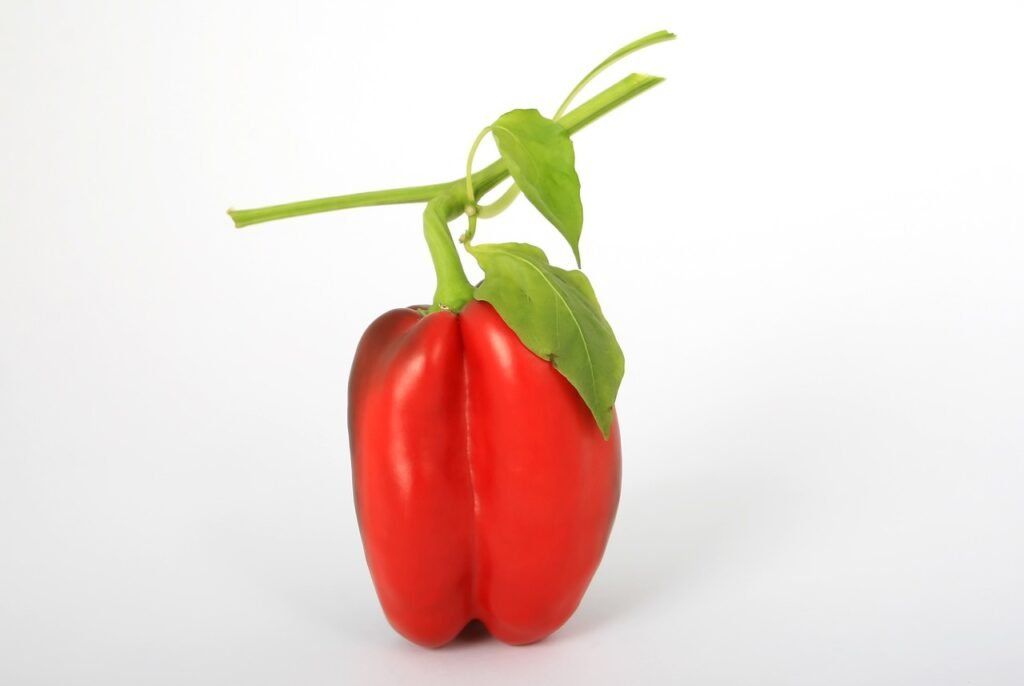
Peppers: Cold air doesn’t make peppers crispier or spicier. Store them in a dry place for the best flavor.
Ketchup: Vinegar in ketchup reacts poorly to cold air over time. Store it in the pantry for better consistency.

 By
By