

Down syndrome is a genetic condition that happens when a baby is born with an extra copy of chromosome 21. This extra genetic material affects growth, learning ability, and overall health. According to the World Health Organization (WHO), Down syndrome occurs in about 1 in 1,000 live births worldwide. Although it cannot be cured, early support, therapy, and medical care can help improve the quality of life. Understanding the signs and causes of Down syndrome can help in early diagnosis and better care.
The signs of Down syndrome can vary from person to person. Some may have mild effects, while others may experience more noticeable challenges.
- Facial Features: Many people with Down syndrome have a flat face, almond-shaped eyes that slant upward, a small nose, and a short neck.
- Developmental Delays: Children may take longer to reach milestones like sitting, crawling, and walking. Learning and speech development may also take more time.
- Muscle Weakness: Babies with Down syndrome often have low muscle tone, making movements harder. Joints may also be more flexible than usual.
- Heart & Digestive Issues: Nearly half of babies with Down syndrome are born with heart defects. They may also have stomach-related issues like acid reflux.
- Other Health Concerns: Vision and hearing problems, thyroid disorders, sleep apnea, and a higher risk of leukemia are common in people with Down syndrome.
The condition happens due to a genetic change before birth. There are three types of Down syndrome:
- Trisomy 21: The most common type, where an extra chromosome 21 appears in every cell.
- Mosaic Down Syndrome: Some cells have an extra chromosome 21, while others do not. This may lead to milder symptoms.
- Translocation Down Syndrome: A part of chromosome 21 attaches to another chromosome. Unlike Trisomy 21, this can sometimes be passed down in families.
Certain factors can increase the chance of having a baby with Down syndrome.
- Age of the Mother: Women over 35 have a higher risk, and it increases with age.
- Family History: If a parent carries a translocated chromosome, there is a higher chance of passing it to the baby.
- Previous Child with Down Syndrome: Parents who already have one child with Down syndrome are at a higher risk of having another.
- Genetic Factors: In rare cases, the condition is inherited.
Doctors can detect Down syndrome before or after birth.
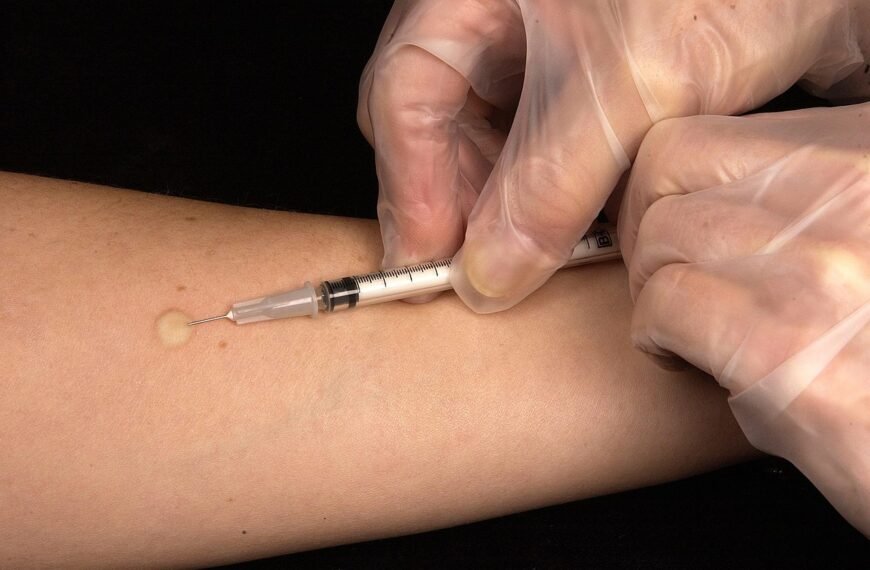
- During Pregnancy: Blood tests and ultrasounds can estimate the risk, while diagnostic tests like amniocentesis and chorionic villus sampling (CVS) can confirm it.
- After Birth: Doctors can identify Down syndrome based on physical signs and confirm it with a chromosome test.
Down syndrome cannot be prevented, but couples at higher risk can take some precautions.
- Genetic Counseling: Parents planning to have a baby can meet a specialist to understand their risks.
- Prenatal Testing: Early screening and testing during pregnancy can help detect chromosomal changes.
Although Down syndrome is a lifelong condition, the right support can make a big difference. With medical care, therapy, and family support, people with Down syndrome can live happy and fulfilling lives. Raising awareness and promoting inclusion can help them thrive in society.


 By
By