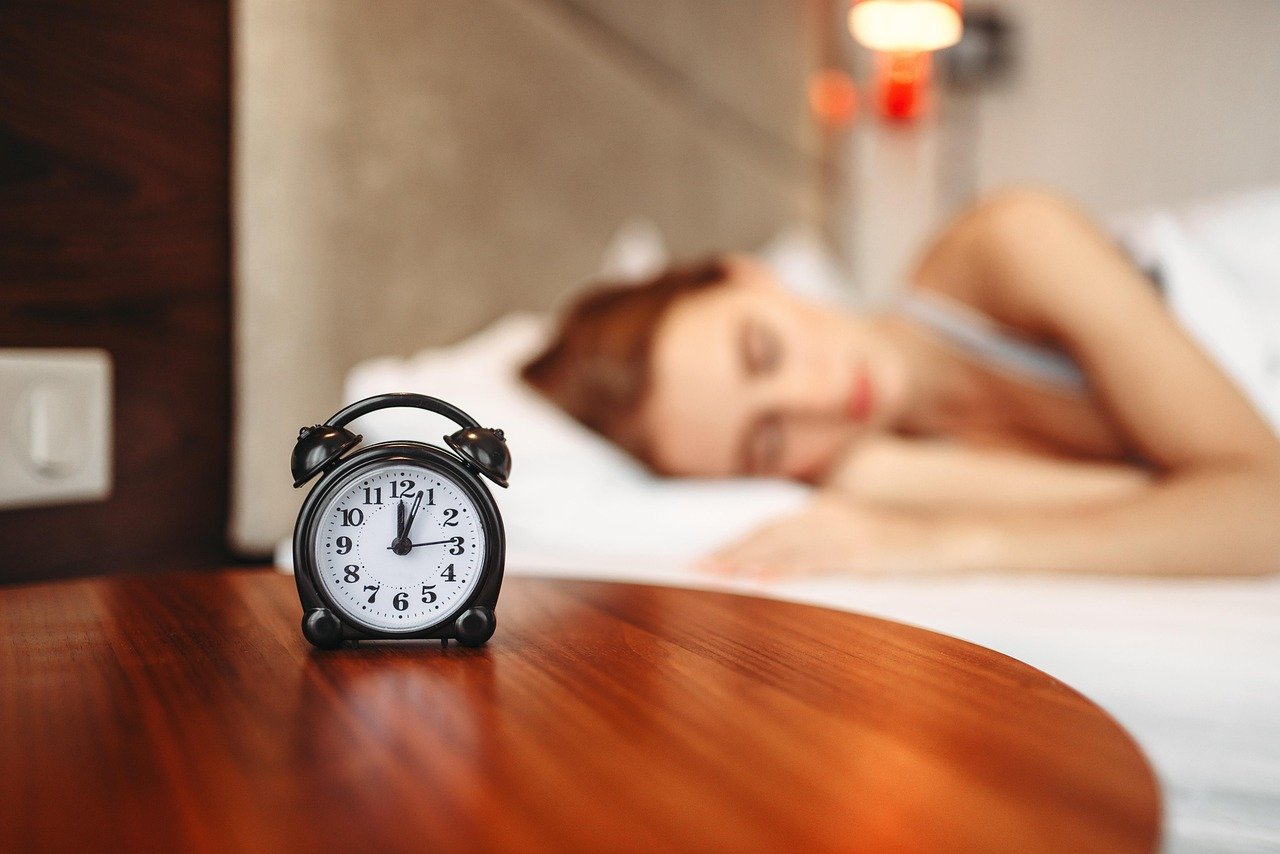

As the nights get longer and the air turns cold, the risk of catching colds and seasonal flu rises. While washing hands and getting vaccinated help, one of the most underrated defenses is good sleep. Sleep isn’t just rest — it’s a nightly boost for your immune system.
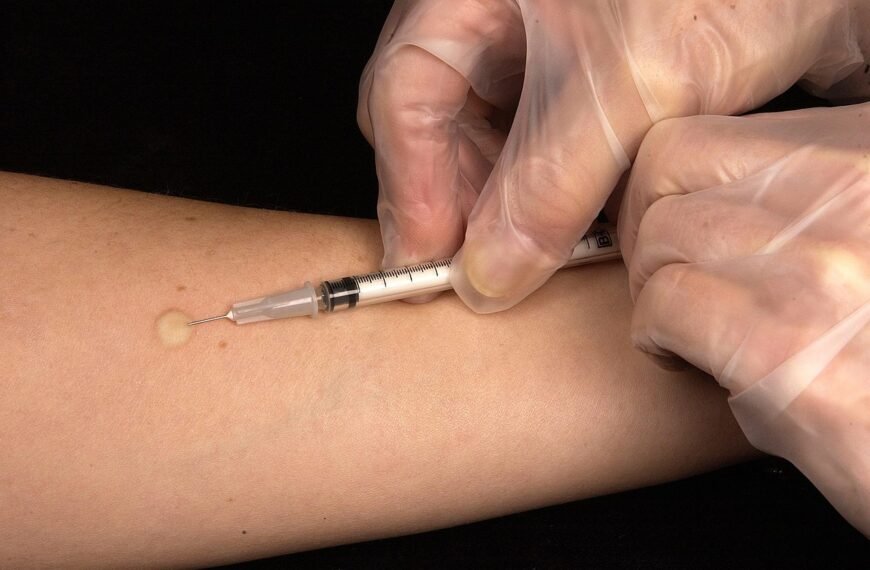
During deep, slow-wave sleep, your body releases hormones and molecules that help immune cells remember infections and build lasting protection. People who don’t get enough sleep are more likely to catch colds, pneumonia, or other infections. Good sleep also improves vaccine effectiveness.
Tips for a Healthy Bedtime Routine
1. Keep a Consistent Sleep Schedule
Going to bed and waking up at the same time strengthens your internal clock. Aim for 7–9 hours of sleep each night to support immune function.
2. Wind Down Before Bed
Spend 60–90 minutes before sleep dimming lights, reading gently, or taking a warm shower. Avoid screens as they reduce deep sleep, which is crucial for immunity.
3. Time Your Meals Wisely
Finish heavy meals 2–3 hours before bed. If you’re hungry, opt for a light snack that aids sleep, like warm milk with turmeric or a banana with almonds.
4. Get Daylight and Vitamin D
Exposure to sunlight during the day sets your internal clock and supports your immune system. Vitamin D supplements may help prevent respiratory infections if you’re deficient.
5. Limit Alcohol and Late Caffeine
Alcohol fragments sleep and reduces deep restorative sleep. Late caffeine delays sleep onset. Both reduce immune benefits.
6. Create an Ideal Sleep Environment
Keep your bedroom cool, dark, and quiet. Blackout curtains, eye masks, and white noise can improve sleep quality.
7. Nap Smartly
Short 20–30 minute early-afternoon naps can refresh you without disrupting nighttime sleep. Avoid long or late naps.
8. Prioritize Sleep Around Vaccines
Sleeping well before and after vaccination boosts antibody responses and strengthens immunity.
Step-by-Step Bedtime Routine Example
- Dim lights and switch your phone to Do Not Disturb.
- Wind down with light reading, herbal tea, gentle stretching, or yoga.
- Take a warm shower or bath to help your body relax.
- Have a small sleep-friendly snack if needed.
- Complete a quick mental or written check of tomorrow’s tasks to clear your mind.
- Brush your teeth and go to bed around 10:00–11:00 pm.
- Wake up after 7–9 hours of sleep feeling refreshed and immune-ready.
Sleep is not a luxury; it’s a powerful, low-cost tool to boost immunity and fight seasonal illnesses. Combine a consistent bedtime, daylight exposure, light meals, and a screen-free wind-down to sleep smarter this season. With regular, good-quality sleep, your body is better equipped to handle cold, flu, and other infections naturally.


 By
By