
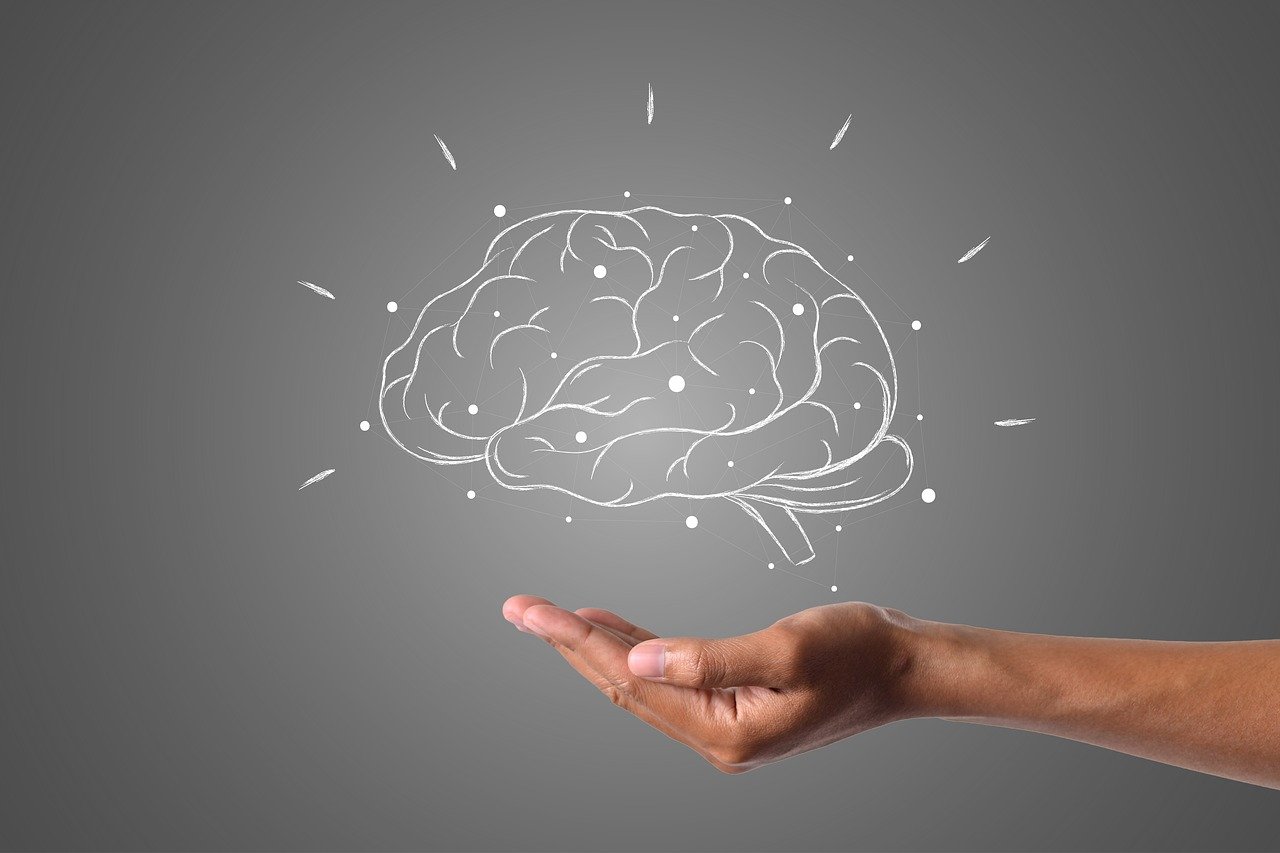

Choline is one of the important nutrients you’ve probably never heard of. While it doesn’t get as much attention as vitamins or minerals, this organic compound plays a major role in your brain, liver, and overall health. Many people don’t know they need it- or that they might not be getting enough.
Choline supports the nervous system and helps the brain process information. It’s also vital for mental health, memory, liver function and strong bones. Research shows that it may help reduce anxiety, support cognitive development in babies, and even protect against issues like ADHD, dyslexia, Alzheimer’s, and Parkinson’s.
Our bodies don’t produce enough choline naturally, so we need to get it from food. It’s found in animal-based foods like eggs, chicken, beef, fish and milk. Some plant-based sources include peanuts, kidney beans, broccoli, mushrooms and soy products. However, animal products generally provide choline than plant-based ones.
Every cell in the body needs choline. It helps move fat out of the liver and builds the outer layer of cells. If you’re not getting enough, ypu may develop a fatty lever or experience problems with memory, mood, or bone health.
Choline also supports the production of acetylcholine, a chemical that helps nerve cells communicate. This is crucial for thinking, memory and learning. In one large study, adults with higher choline intake had better memory performance. Other research links choline to reduced anxiety and depression.
The first 1,000 days of life are especially important for brain development, and choline is key during pregnancy. Babies are born with more choline in their bodies than their mothers, which shows how important it is in the womb. Studies shows that pregnant woman with higher choline intake have children with better memory scores years later.
Despite its importance, many people don’t meet their daily choline needs. In the US, recommended intake is about 425-550 mg per day, depending on age and gender. One egg contains around 150mg, a chicken breast has about 72mg, and peanuts offer 24mg, per handful. People who eat eggs tend to have nearly double the choline intake compared to those who don’t.
For vegans, getting enough choline can be difficult without careful meal planning or supplements. Foods like tofu, peanut butter, and soybeans contain some choline, but often not enough to meet daily needs. Supplements are an easy option for those who may fall short, such as pregnant woman, older adults, or people with liver conditions.
While more research is still needed, experts agree that choline is too important to ignore. Eating more choline-rich foods and understanding its benefits can support better brain function, mood balance, and long-term health.

 By
By